Thinking about remodeling or building in La Jolla and wondering why everyone keeps mentioning the Coastal Overlay Zone? You are not alone. Understanding this layer of rules helps you set realistic expectations for budgets, timing, and design. In this guide, you will learn what the Coastal Overlay Zone is, how it affects your plans, and the smart steps to take before you buy or start work. Let’s dive in.
What the Coastal Overlay Zone is
The Coastal Overlay Zone is a City of San Diego zoning overlay that implements the California Coastal Act through the city’s certified Local Coastal Program. It flags properties in the state’s coastal zone for extra review to protect public access, scenic views, biological resources, and safety along the shoreline.
For most La Jolla properties, the City of San Diego is the primary permitting authority for coastal development. The California Coastal Commission retains appellate and direct review in certain cases, especially larger or more sensitive projects. To confirm if a parcel is in the overlay, you can check city coastal maps, parcel reports, and the property’s permit history.
How the COZ affects your plans
In La Jolla, the overlay usually matters when you change the exterior, expand the footprint, or build new structures. Interior-only work often stays ministerial. Once you step outside or toward the bluff, coastal review comes into play.
When you need a Coastal Development Permit
A Coastal Development Permit, or CDP, is a common discretionary approval for development in the coastal zone. You will likely need a CDP for additions, new homes, major exterior changes, or use changes. Maintenance, emergency repairs, and limited interior work may be exempt, but you should confirm exemptions with the City before you start.
Typical approval criteria
City staff evaluates whether your project is consistent with the Local Coastal Program and La Jolla’s community plans. Common criteria include protecting public coastal access, preserving views, ensuring geologic safety with proper bluff setbacks, avoiding or minimizing shoreline armoring, protecting biological resources, and managing drainage and stormwater effectively.
Studies you may need
Most discretionary projects require technical documentation. In La Jolla, you should plan for:
- Geotechnical reports for bluff stability and foundation setbacks.
- Coastal engineering or shoreline process analysis near the beach.
- Biological assessments if habitat may be affected.
- Visual analysis and design drawings that show view corridor protection.
- Site drainage, hydrology, and stormwater treatment plans.
Design constraints in La Jolla
Expect site-specific conditions. Common constraints include minimum distances from bluff edges, limits on shoreline armoring, height and massing controls to protect neighborhood character, and landscaping standards that favor native, low-water species. If a project affects public access, the City may require easements or improvements as conditions of approval.
Timelines you can expect
Every site is different, but setting a realistic timeline helps you plan funding and contractor availability. Here are typical ranges for La Jolla projects.
Minor to major project ranges
- Minor interior or maintenance work: days to a few weeks if no discretionary coastal review is needed.
- Small discretionary projects: about 3 to 6 months for a CDP with standard staff review and hearings.
- Moderate projects near bluffs or with larger additions: about 6 to 12 months, especially if multiple studies and hearings are required.
- Major new construction or projects subject to Coastal Commission appeal: about 9 to 24 months or longer, depending on complexity and scheduling.
What can slow things down
Timelines stretch when you need geotechnical or coastal engineering studies, when environmental review is triggered, or when community groups and hearing bodies request revisions. Appeals to the Coastal Commission add time and submittals.
How to speed it up
Early coordination is the single best time-saver. Pre-application meetings with City staff can confirm required studies and flag issues before you submit. For projects that may be appealed, an early check with Commission staff can help you avoid avoidable redesigns later.
La Jolla watch-outs
La Jolla’s setting is part of what makes it special, and it is also why the review is detailed. A few local themes come up often.
Bluffs and geologic hazards
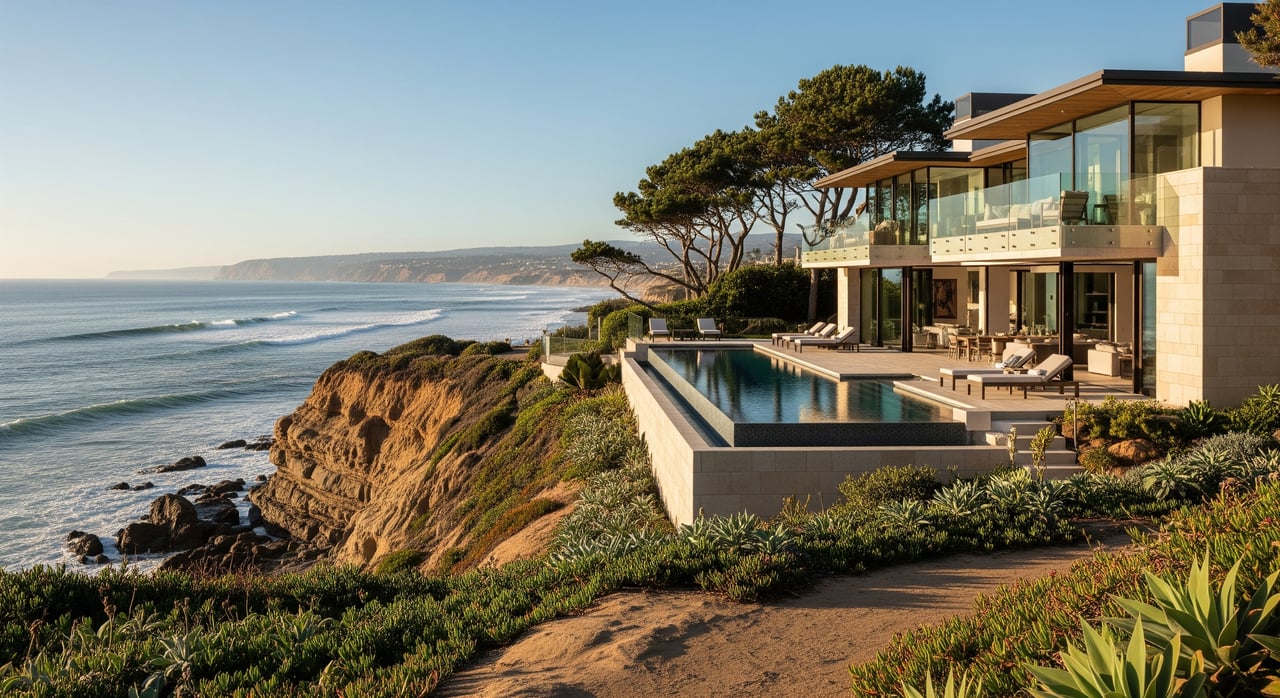
Many La Jolla homes sit above active coastal bluffs. Geotechnical constraints often control where you can place foundations, decks, or retaining structures. Expect bluff-edge setbacks and long-term stability analysis to shape your design.
Views and neighborhood character
Steep topography and prized ocean views drive careful review of bulk, height, and view corridors. Even if your home is not on a bluff, projects that alter massing or block key public views receive extra attention.
Shoreline armoring realities
New seawalls and revetments are generally discouraged. Approvals typically require evidence of an immediate threat and a lack of feasible alternatives. Existing armoring can carry recorded conditions that limit changes or require maintenance and monitoring.
Community review and appeals
La Jolla has an active community planning process. Public input can influence conditions or design revisions, and certain approvals can be appealed to the Coastal Commission. Build time for public review into your schedule.
Buyer due diligence checklist
If you are evaluating a La Jolla property within the Coastal Overlay Zone, use this list during pre-offer or escrow.
- Confirm coastal status with City parcel maps and the Local Coastal Program segment for the area.
- Pull the property’s planning file for prior permits, CDPs, and recorded conditions or easements.
- Review the preliminary title report for public access easements, shoreline armoring agreements, or conservation restrictions.
- Request existing geotechnical, bluff, and coastal engineering reports. If none exist, budget for a current evaluation.
- Verify FEMA flood zone status and note any tsunami evacuation concerns.
- Inspect for signs of bluff erosion, slope movement, prior temporary measures, or existing armoring and its proximity to structures.
- Ask the seller: prior CDPs and whether any conditions remain, recorded access across the property, any requests or denials for shoreline armoring, and any open code cases.
- Engage experienced professionals early, including a coastal-savvy planner or attorney, a geotechnical engineer, a coastal engineer if needed, and an architect familiar with La Jolla’s plans.
What sellers should prepare
If you plan to list, gather coastal records upfront to reduce friction and build buyer confidence. Organize:
- Copies of all CDPs, variances, and conditions of approval that run with the land.
- Recorded easements or agreements, including access or shoreline armoring documents.
- Geotechnical and coastal engineering reports that inform setbacks or maintenance.
- Any monitoring or maintenance obligations and status of compliance.
- A summary of improvements, dates, and related permits.
Providing a complete package helps buyers underwrite risk and shortens the due diligence period.
How a coastal-savvy agent helps
Coastal experience saves time and money. An experienced La Jolla agent can:
- Screen a parcel’s coastal status, permit history, and recorded conditions early.
- Coordinate qualified consultants and streamline seller disclosures.
- Set expectations for studies, hearings, costs, and potential appeals.
- Organize prior approvals and public records so your design team starts with a complete file.
- Liaise with City staff for pre-application and submittals to reduce rework.
Next steps
If you are considering a purchase, remodel, or new build in La Jolla’s Coastal Overlay Zone, the best first move is an early feasibility check. Confirm whether your plans trigger a CDP, identify required studies, and budget time for community review. A clear path at the start leads to fewer surprises later.
When you are ready to explore options, connect with a local team that lives and breathes San Diego’s coastal markets. For a confidential consultation and strategic guidance tailored to your goals, reach out to Monroe Herington.
FAQs
What is the Coastal Overlay Zone in La Jolla?
- It is a City of San Diego overlay that implements the California Coastal Act through the Local Coastal Program, adding review to protect coastal resources and public access.
When do I need a Coastal Development Permit?
- You typically need a CDP for exterior changes, footprint expansions, new construction, or use changes, while interior-only work may remain ministerial.
How long does coastal permitting take in La Jolla?
- Minor ministerial work can take weeks, small discretionary projects about 3 to 6 months, moderate projects 6 to 12 months, and major or appealed projects 9 to 24 months or more.
Will I be allowed to build closer to the bluff?
- Geotechnical setbacks usually control placement near bluff edges, and designs that move seaward often face stricter review and conditions.
Can I add a seawall to protect my home?
- New shoreline armoring is generally discouraged and approved only when there is an immediate threat and no feasible alternatives, with strict conditions if granted.
What should I review before buying a coastal property?
- Confirm overlay status, pull permit history and recorded conditions, obtain or commission geotechnical and coastal reports, verify flood zones, and consult coastal-experienced professionals.