Running the numbers on a Mission Beach investment is exciting, but the details can make or break your return. Between premium acquisition prices, strict short‑term rental rules, and coastal risks, you want a clear picture before you move. In this guide, you’ll see what properties cost, how long‑term and short‑term income really stack up, the rules that govern STRs, and the biggest risks to underwrite early. Let’s dive in.
Why Mission Beach attracts investors
Mission Beach sits on a narrow sandbar between the Pacific Ocean and Mission Bay. It is walkable, tourism‑oriented, and anchored by the Ocean Front Walk and Belmont Park. That environment drives strong seasonal demand and premium pricing for well‑located properties.
The neighborhood is also one of San Diego’s densest residential areas. Planning documents show recommended densities around 36 dwelling units per acre in parts of the district, with many tiny lots. This explains why you see compact homes, attached units, and limited parking across the peninsula.
What you can buy in Mission Beach
You’ll typically see three investment profiles:
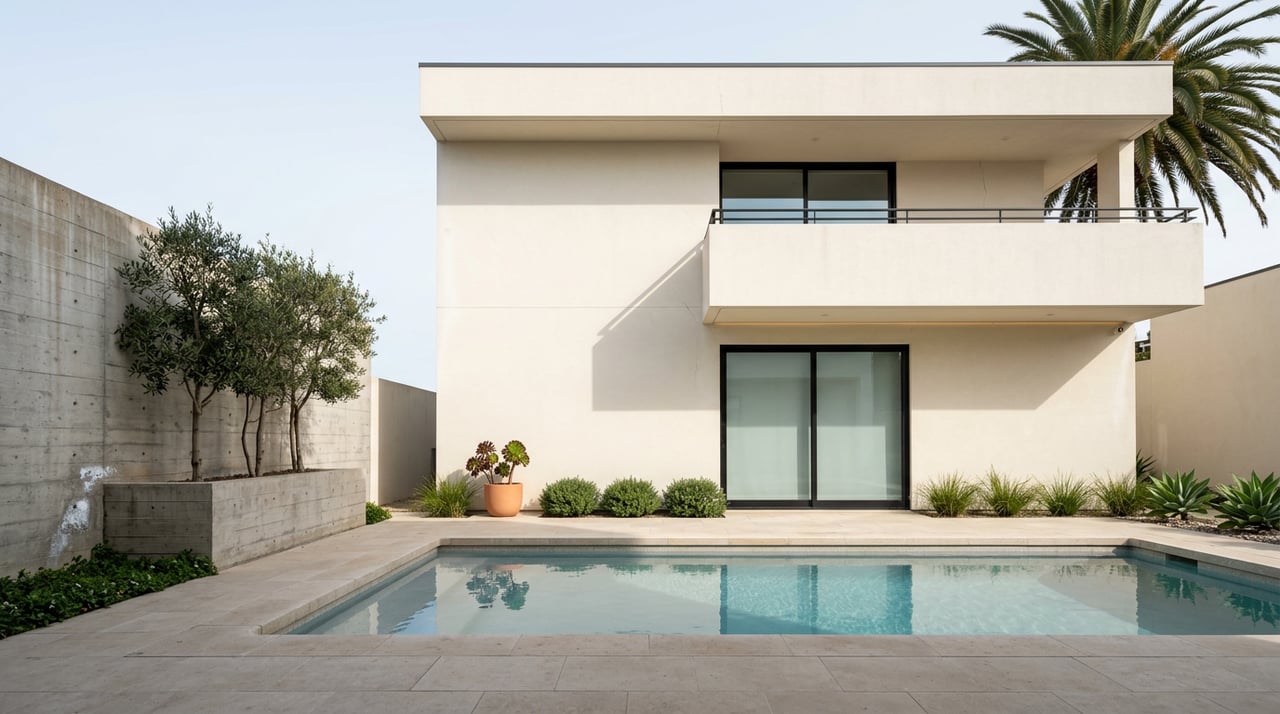
- Oceanfront cottages and single‑family homes. Often small lots, multi‑level floor plans, and roof decks.
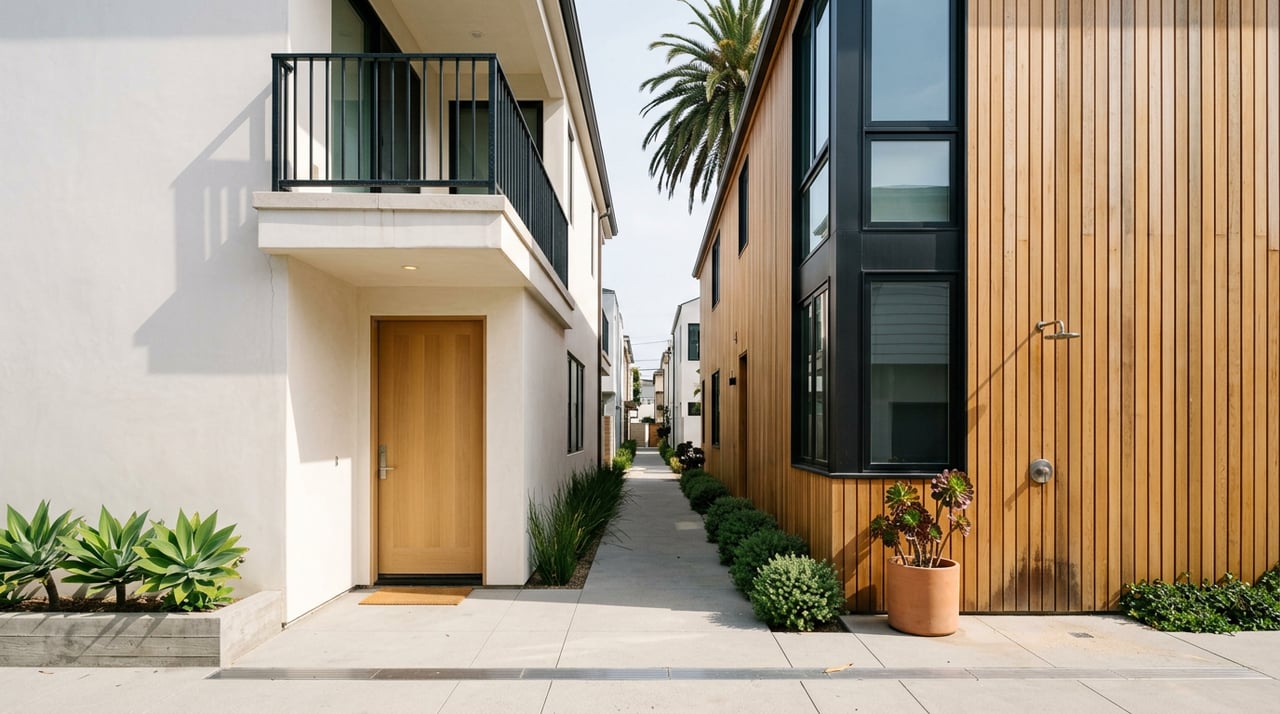
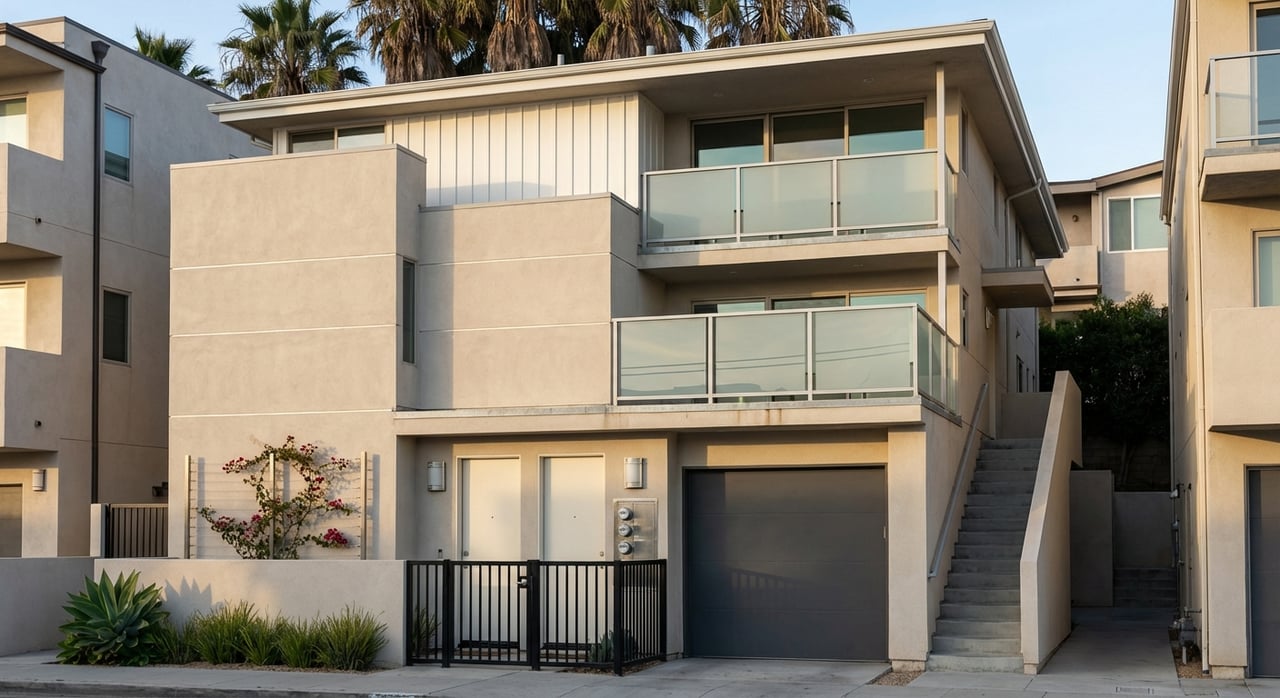
- Townhomes and attached condos. This is common investor inventory for rental income.
- Small multi‑unit or mixed‑use near Mission Blvd. Useful for portfolio owners seeking multiple doors.
Many listings highlight compact footprints and limited on‑site parking. Proximity to the shoreline also means you should expect flood disclosures and discussion of future sea‑level exposure in near‑shore units.
Price and rent snapshots
Mission Beach is a high‑value coastal micro‑market. Recent snapshots show a median sale price around 1.5 million dollars in January 2026 for Mission Beach‑area transactions. In late 2025, neighborhood median listing prices were often reported in the 2.5 to 2.9 million dollar range. The gap reflects small sample sizes and the influence of luxury waterfront listings.
On the rental side, long‑term market medians in late 2025 clustered around 5,000 to 5,300 dollars per month. Smaller 1 to 2 bedroom units typically sit at the lower end, while 3 bedroom homes trend higher. Use building‑level comps for a tighter read.
Income potential: long‑term vs. short‑term
Short‑term revenue depends on three levers: your purchase price, your attainable ADR and occupancy, and your expenses. Different data sources report different ADR and occupancy figures, so always pull address‑level dashboards before you commit.
San Diego benchmarks. Recent STR studies for the metro show an average ADR in the low 200 dollars with occupancy often in the 60 to 71 percent range over 2024 to 2025. Mission Beach listings often command a premium above the city average thanks to beachfront proximity. Use neighborhood or zip dashboards when you run comps.
Long‑term rent example. Using a median rent near 5,294 dollars per month, your annual gross would be about 63,528 dollars. After taxes, insurance, HOA where applicable, management at roughly 8 to 12 percent, and maintenance, your NOI before debt can be slim. With a leveraged mortgage sized for a 1.55 million dollar purchase, it is common for debt service to exceed that long‑term NOI. Many buyers either bring a larger down payment, layer in additional revenue, or look to STR.
Short‑term rental example. If a Mission Beach unit achieves a strong premium to the city ADR and maintains high occupancy, gross STR revenue can surpass long‑term rent. Operating costs are higher, though. Typical STR management runs 15 to 25 percent. You will also cover frequent cleanings, utilities, supplies, and often higher insurance. The City’s Mission Beach STR license cap limits supply, which can increase the value of already permitted whole‑home STRs.
Bottom line: premium purchase prices can outpace realistic rent unless you buy with low leverage, secure an existing legal STR pathway, or prove strong STR comps and operations.
The STR rules that make or break your plan
San Diego requires a Short‑Term Residential Occupancy license for any rental under one month. There are four license tiers. Tier 4 covers whole‑home STRs inside Mission Beach and is capped at 30 percent of Mission Beach housing units. In some periods the Tier 4 application window has closed and waitlists applied. Treat a valid, active Tier 4 license as scarce.
Key rules investors need to know:
- One host, one license. You cannot hold more than one STRO license, and licenses are not transferable from host to host or from property to property. A buyer cannot assume a seller’s license by default.
- Minimum use. Whole‑home licenses carry a 90 days per year minimum utilization requirement to remain active.
- Local contact. You must list a local contact who can respond to complaints within one hour. Many owners hire professional STR managers to meet this requirement.
- ADUs. The ordinance prohibits using certain accessory dwelling units for short‑term rental based on their permit date. Read the City’s STRO guidance for the specific language and exceptions.
- HOAs. Many condo communities and HOAs near the beach restrict or prohibit short‑term rentals in their rules. Even if the City would license you, an HOA ban still prevents legal STR operations.
Also plan for taxes and registration:
- Transient Occupancy Tax. Stays under one month are subject to the City’s TOT. As of May 1, 2025, San Diego uses a zone‑based schedule under Measure C. You must obtain a TOT certificate and remit TOT on schedule.
- Business tax. If you rent more than six days in a calendar year, you must also register for the City’s Rental Unit Business Tax.
Coastal risk, insurance, and maintenance
Mission Beach is low‑lying and exposed to coastal flooding and wave action. The City adopted a Coastal Resilience Master Plan on September 9, 2025, which lists Mission Beach as a pilot area and signals ongoing planning and potential future projects that can affect access, construction timing, or costs. Review the City’s Coastal Resilience Master Plan when you evaluate a specific address.
What to expect operationally:
- Flood zones and insurance. Lenders typically require flood insurance if a property sits in a FEMA flood zone. Premiums for coastal high‑risk properties can be several thousand dollars per year, and NFIP caps may not cover full rebuild costs for multi‑million dollar homes.
- Salt exposure and upkeep. Salt air accelerates corrosion and shortens the lifespan of exterior systems. Budget for higher ongoing maintenance and coastal‑grade materials.
- Optional earthquake coverage. Standard homeowners policies exclude flood and earthquake. Consider optional earthquake policies based on your risk tolerance.
Financing and 1031 exchange notes
For 1031 exchangers, clock rules are strict. You generally must identify replacement properties within 45 days and close within 180 days. If you plan to rely on STR income, verify the property’s legal path to operate before you identify it in your exchange. A missed licensing reality can upend your investment thesis.
Many lenders underwrite coastal and STR assets conservatively. If you plan to qualify using STR income, confirm that your lender will accept it and confirm the property’s licensing path. For long‑term rental underwriting, lenders often stress market rent and NOI and may limit leverage accordingly.
Key risks to underwrite early
- Regulatory risk. Tier caps in Mission Beach, one‑license‑per‑host, and non‑transferability of licenses are the single biggest constraints for STR investors. You cannot assume you can convert any purchase into a legal STR.
- Flood and coastal change. Low elevation and wave exposure add physical and insurance risk. The City’s resilience planning underscores that reality.
- Cost creep. Insurance, flood premiums, HOA dues, management, cleaning, utilities, and frequent turnover add up. Coastal maintenance also runs higher.
- Neighborhood operations. Parking scarcity and nuisance complaints are common in beach zones. The City requires fast complaint response, which adds to management needs.
A quick due‑diligence checklist
Use this list before you write an offer or identify a 1031 replacement:
- Confirm licensing. Check the City’s Short‑Term Residential Occupancy program for parcel status, license tiers, and Mission Beach caps and waitlists.
- Confirm TOT rate. Use the City’s Transient Occupancy Tax page to find your property’s zone and register for a TOT certificate.
- Pull STR comps. Use a market dashboard such as Airbtics to compare ADR and occupancy at the address level.
- Read the HOA rules. If applicable, review CC&Rs and minutes. See this overview on HOAs and STR restrictions.
- Map flood risk. Overlay FEMA panels and order an elevation certificate. Start at the FEMA Flood Map Service Center.
- Estimate property taxes. Check local tax area tables for typical effective rates around 1.2 to 1.23 percent and any additional assessments. See the district’s taxing area reference.
- Build a conservative pro forma. Stress test multiple ADR and occupancy scenarios, add STR management at 15 to 25 percent and long‑term management at 8 to 12 percent, plus cleaning and maintenance. This guide to management fee benchmarks is a useful reference.
- Lock your 1031 timeline. Confirm the 45 and 180 day rules with your intermediary and only identify properties you have vetted for STR legality. See a clear primer on 1031 exchange timelines.
The takeaway
Mission Beach offers strong lifestyle appeal and, where legally permitted, above‑average STR revenue potential. At the same time, high purchase prices, licensing caps, flood exposure, and elevated operating costs compress margins for leveraged buyers. If you are a 1031 exchanger or an out‑of‑area investor, lead with licensing and HOA due diligence, run conservative pro formas, and verify flood and insurance costs at the address level.
If you want a clear read on a specific property, market‑tested pricing, and introductions to local STR managers and insurance pros, connect with Monroe Herington for a confidential strategy call.
FAQs
What is the Mission Beach STR cap and why does it matter?
- Mission Beach whole‑home STR licenses fall under a dedicated Tier 4 and are capped at 30 percent of housing units, which makes legal permits scarce and valuable.
Are STR licenses transferable if I buy a Mission Beach property?
- No. San Diego’s STRO licenses are not transferable between hosts or properties, so you cannot assume the seller’s license will carry over to you.
How do long‑term and short‑term returns compare in Mission Beach?
- Long‑term rents are high but often do not cover debt service on a highly leveraged coastal purchase, while permitted STRs can gross more but come with higher costs and stricter rules.
What taxes apply to short stays in San Diego?
- Stays under one month are subject to Transient Occupancy Tax, and operators who rent more than six days per year must also register for the City’s Rental Unit Business Tax.
How does flood risk affect insurance and lending in Mission Beach?
- Many properties sit in flood zones that trigger lender‑required flood insurance, with premiums that can be several thousand dollars per year for coastal high‑risk addresses.