Pricing a La Jolla luxury home is not a simple price-per-square-foot exercise. If you own an oceanfront estate, bluff-top home, or view condo, you’re weighing site rarity, view quality, condition, buyer demand, and coastal risks all at once. You want a number that attracts the right buyers without leaving money on the table. This guide gives you a clear framework, key variables to consider, and when a boutique marketing strategy can unlock a premium. Let’s dive in.
Read the market first
La Jolla sits at the top of San Diego’s price spectrum, and the luxury segment moves differently than the broader market. Inventory is limited, buyers are selective, and timelines can be longer. Before you pick a price, review local indicators from SDAR and the MLS for $3M-plus homes, then align your expectations with today’s buyer pool.
Who’s your likely buyer
- Local high-net-worth residents looking to upgrade or rightsize.
- Out-of-market buyers from Southern California and the Bay Area.
- International buyers and second-home seekers.
- Cash buyers and jumbo-financed buyers who prioritize convenience and privacy.
What to watch before pricing
- Active luxury inventory and months of supply for your price band.
- Recent pendings and sold-to-list ratios for close-in comps.
- Cash share, jumbo mortgage rates, and appraisal risk for unique properties.
- Average days on market for your sub-neighborhood and property type.
Value drivers that move price
Not all ocean views or coastal positions are equal. In La Jolla, a few factors consistently have outsized impact on value.
Coastal position and access
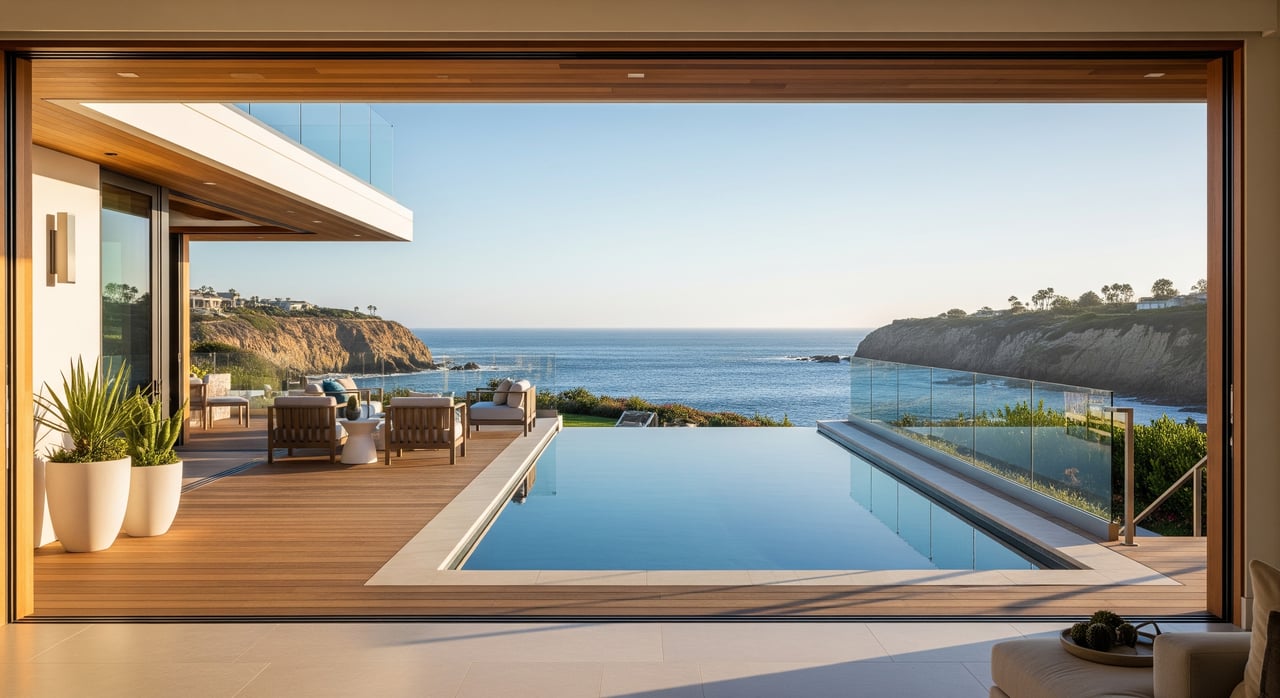
True oceanfront and bluff-front properties with unobstructed exposure are the rarest and typically command the highest prices. Beach access, private easements, or safe paths to the shoreline can add meaningful value. Even within “oceanfront,” small differences in exposure and privacy lead to large price differences.
View quality and orientation
Wide, unobstructed, west-facing ocean views tend to earn the strongest premiums. Partial or lateral views are valued less. Privacy, glare, wind, and whether you capture sunsets can shift perceived value for the same square footage.
Condition and capital needs
Turnkey homes with updated systems, premium materials, and modern tech support higher pricing and faster decisions. Buyers often discount for expected renovation and permitting costs, plus the risk and time it takes to execute. A pre-listing estimate helps you quantify these trade-offs.
Lot and outdoor living
Usable outdoor space, terraces shielded from wind, pool placement, and site depth all matter. Larger, more functional lots with outdoor amenities can outperform similar homes with limited usability, even if interior square footage is comparable.
Architecture and uniqueness
Architectural pedigree, iconic design, or a custom build with exceptional craftsmanship can create trophy value. These homes often need a broader buyer reach and strong storytelling to realize their ceiling.
Building type and HOA
Single-family homes tend to command a higher price per square foot than luxury condos. That said, high-amenity, low-maintenance buildings can appeal to lock-and-leave buyers. HOA dues, parking, and building policies can push value up or down.
Comps scarcity
At the top end, direct comparables are rare. A small difference in view, privacy, or lot usability can warrant large adjustments. Document why each comp belongs in your pricing set.
A clear pricing framework for sellers
Use this step-by-step process to ground your pricing in local reality and your property’s strengths.
1) Define your comp universe
- Start in your sub-neighborhood with similar coastline position and property type.
- Match lot size and living area as closely as possible.
- Only expand outward when necessary, and note every adjustment rationale.
2) Score view and site
- Create a simple 1–5 scale for ocean exposure and privacy.
- Use that score to guide percentage adjustments versus comps, remembering that stronger, unobstructed views typically justify larger premiums.
3) Adjust for condition
- Get contractor and, if needed, architect estimates for updates or code items.
- Subtract expected costs plus a risk margin from your aspirational price.
4) Account for lot, outdoor living, and amenities
- Add value for private access, terraces, pools, and wind-protected areas.
- Subtract for high HOA dues, limited parking, or maintenance burdens.
5) Overlay market conditions
- Factor in months of supply, pending-to-active ratios, and days on market for your price tier.
- Consider jumbo lending conditions and cash buyer share.
6) Choose a listing strategy
- Competitive market price: aims to attract a broad buyer pool quickly.
- Aspirational price: tests upper bounds and can draw attention when inventory is thin.
- Boutique premium campaign: higher price supported by curated marketing and targeted buyer cultivation.
7) Monitor and iterate
- Track showings per week, private tour requests, and buyer feedback.
- Adjust price or marketing within the first few weeks if engagement lags.
Pitfalls to avoid in La Jolla
- Overreliance on price per square foot when views and site dominate value.
- Trusting automated valuations for unique coastal properties.
- Underestimating renovation, permitting, or insurance costs.
- Ignoring buyer pool size and seasonality in the luxury tier.
Coastal risks, insurance, and permitting
These factors influence both marketability and the number buyers will pay.
Sea-level rise and bluff stability
Buyers increasingly evaluate long-term coastal risks, including erosion and storm surge. Geotechnical assessments, drainage, and maintenance history matter for bluff properties. Clear documentation can reduce uncertainty and protect your price.
Insurance and financing
Beachfront and bluff-top homes can face higher insurance premiums or limited options. Jumbo underwriting for coastal properties may be conservative, and appraisal risk can affect financed offers. This can narrow the buyer pool, which makes precise pricing and strong marketing more important.
Coastal permits and overlays
Major remodels or new builds in coastal zones often require permits that add time and cost. Some La Jolla areas have historic or design overlays that limit changes. Set expectations early and price with these realities in mind.
When boutique marketing adds real dollars
A marketing-led approach can increase your net proceeds when your property is rare or has strong story value.
- Trophy or ultra-rare sites: true oceanfront, iconic architecture, or historic homes benefit from global reach and curated exposure.
- Story-driven listings: design-forward builds, celebrity provenance, or unique amenities respond well to editorial storytelling and targeted outreach.
- Sparse comps: when price discovery depends on finding a specific buyer set, precision targeting and broker networks can create competitive tension.
Measure the upside
- Estimate the premium a competitive campaign could unlock versus a standard listing.
- Compare that premium to marketing spend and carrying costs over the anticipated timeline.
- Track KPIs: qualified inquiries, private showings, international interest, and engagement with high-end media assets.
Tactics that work in La Jolla
- Cinematic video, twilight photography, and drone footage.
- Broker-to-broker previews and curated private tours.
- Select press outreach for homes with notable design or history.
- Coming-soon and phased exposure strategies to build momentum.
Your seller checklist
- Gather the closest comps by coastline position, view, property type, and lot size.
- Obtain a broker price opinion plus pre-listing inspection and contractor estimates.
- Score your view and site, and quantify renovation, insurance, and permitting costs.
- Choose a pricing strategy and model carrying costs for different timelines.
- Prepare coastal and geotechnical disclosures and consult specialists as needed.
- Select a listing team with proven La Jolla luxury results and a marketing plan aligned to your strategy.
How Monroe Herington helps you price with confidence
You deserve a pricing strategy shaped by deep La Jolla expertise and world-class presentation. Monroe Herington combines boutique, concierge service with high-impact marketing to position your home where it belongs in the market. Our team brings a proven track record across San Diego’s prime coastal neighborhoods, private outreach to qualified buyers, and precise guidance on pricing, staging, and timing.
If you’re considering a sale, let’s discuss your goals and the right go-to-market path. Connect with Monroe Herington to get an expert read on value and a tailored plan.
FAQs
How do you price an oceanfront La Jolla home?
- Start with the closest oceanfront comps, score view and site quality, adjust for condition and unique access, then overlay current luxury market supply and buyer demand.
How much does an ocean view add to price in La Jolla?
- View premiums vary widely by quality and privacy, so use a view-and-site score to guide percentage adjustments rather than a one-size-fits-all number.
Should I renovate before listing a La Jolla luxury property?
- Renovate when the expected sale premium exceeds the renovation cost and timeline risk; otherwise, price-in transparent estimates and let buyers choose finishes.
How long do La Jolla luxury homes take to sell?
- Luxury listings often have longer timelines due to a smaller, more selective buyer pool, so monitor early engagement and be ready to adjust price or marketing.
What is boutique marketing, and when is it worth it?
- For trophy or highly unique homes, curated media, targeted outreach, and phased exposure can increase the chance of premium offers enough to outweigh added cost.
How do coastal permits and overlays affect my sale?
- If buyers anticipate major changes, required coastal permits and any design overlays can add cost and time, which may influence offers and negotiation strategy.