Do you picture stepping onto the sand with your morning coffee, or strolling to dinner through a leafy village after a quiet evening in your yard? If you are torn between Beach Colony and Olde Del Mar, you are not alone. Both offer classic Del Mar living, but the day-to-day lifestyle and property trade-offs are different. In this guide, you will get a clear comparison of beach access, homes and lots, HOA nuances, walkability, and resale so you can choose with confidence. Let’s dive in.
Beach vibe vs village feel
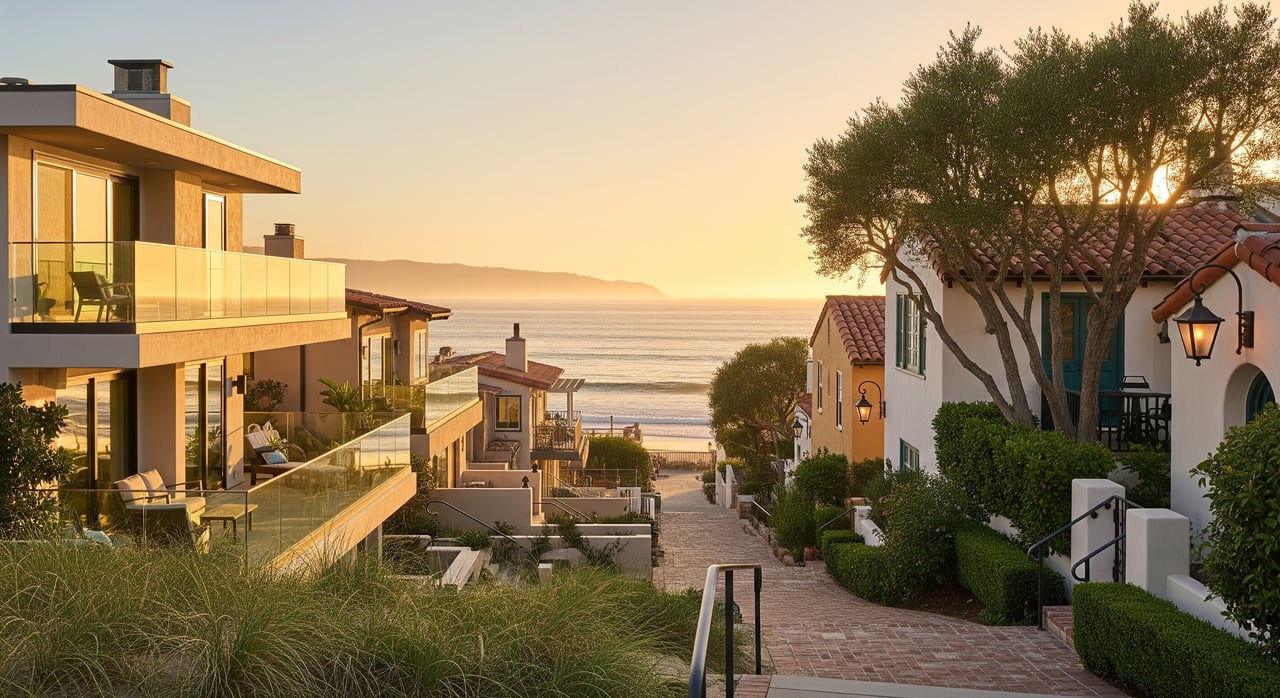
Beach Colony sits directly along the shoreline. You are at or near the boardwalk, with immediate access to the sand. The feel is beach-first, compact, and social, with ocean views in many residences.
Olde Del Mar is the original village core around Camino del Mar and the Del Mar Plaza area. You get a classic neighborhood feel, mature trees, and an easy walk to shops and restaurants. It is more village than boardwalk.
Homes and lots: what to expect
Beach Colony is dominated by low-rise condos, townhomes, and duplexes, with a smaller number of single-family or attached homes. Lots and setbacks are tight, and many homes use decks and rooftop patios rather than large yards.
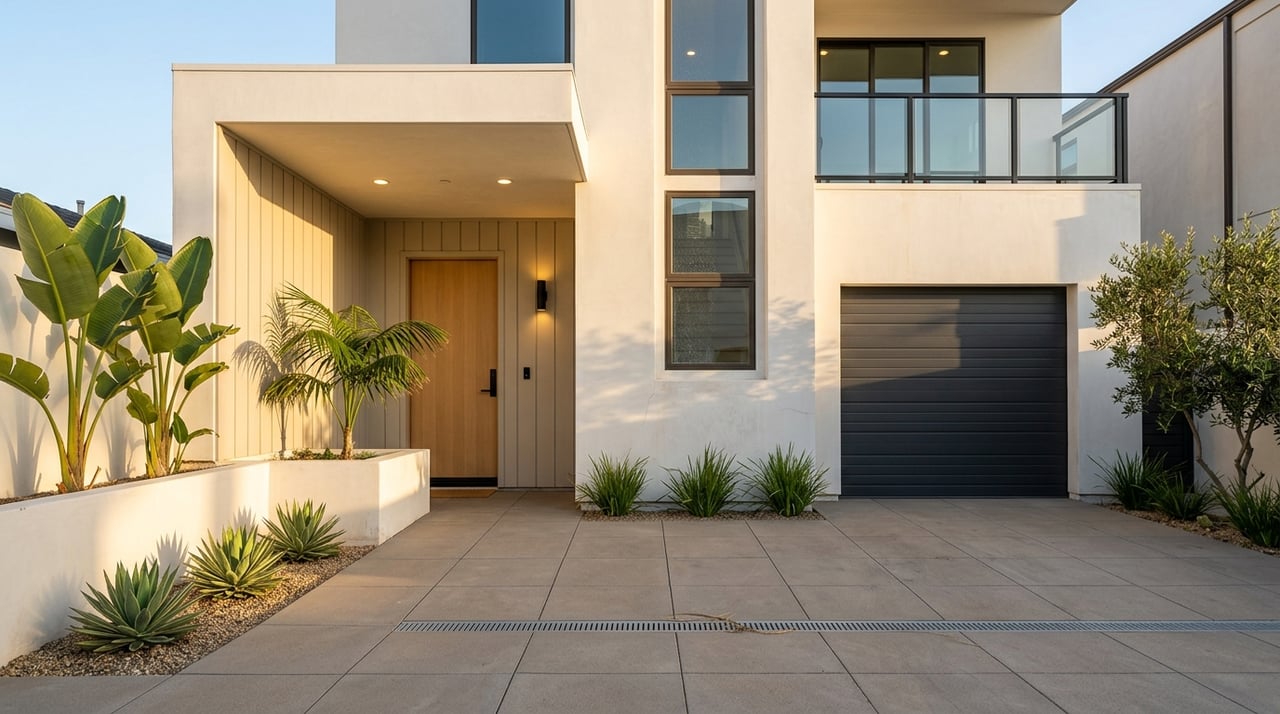
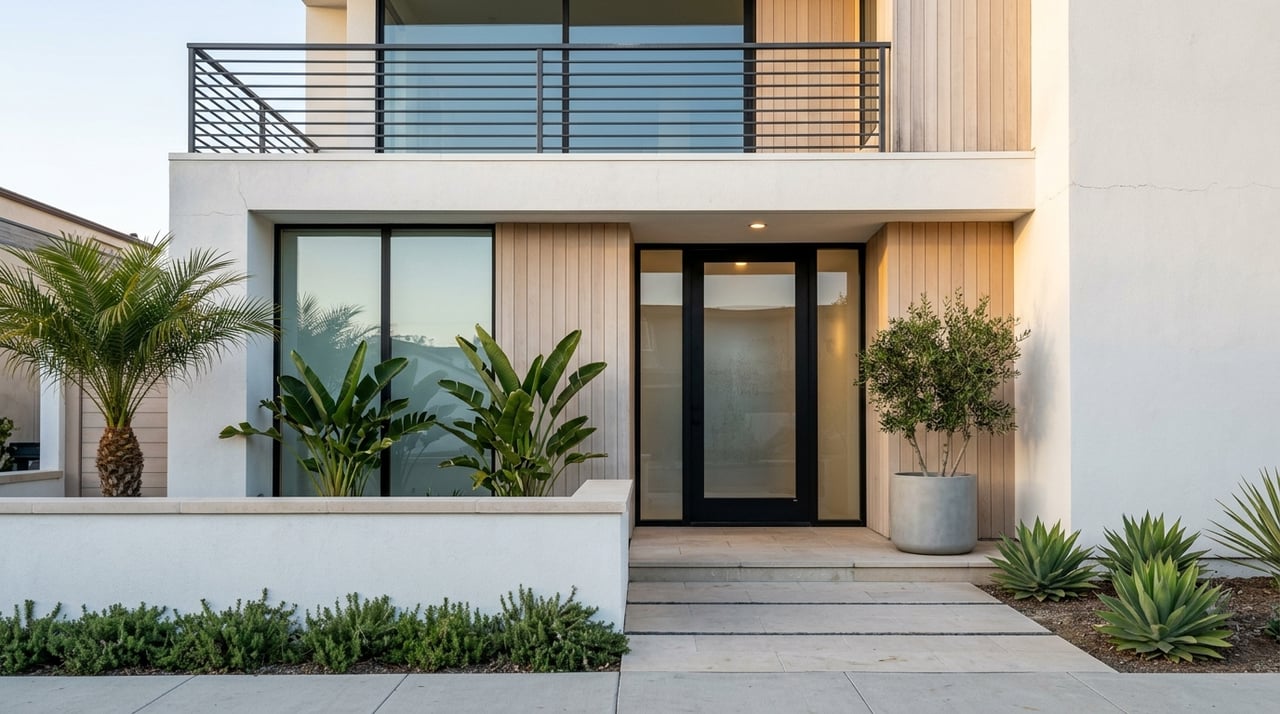
Olde Del Mar is mostly detached single-family homes on individual lots. You will see older cottages, mid-century homes, and modern rebuilds. Yards are generally larger than in Beach Colony, which can allow more traditional outdoor space and potential future expansion, subject to permits.
Permits and coastal rules to plan for
Both neighborhoods fall within Del Mar’s coastal jurisdiction. Exterior changes, additions, or rebuilds may require city approvals and coastal review. Before planning work, verify zoning, allowable uses, and whether a Coastal Development Permit is needed.
- Start with the City of Del Mar’s Planning and Building resources to confirm zoning and design review requirements. You can find guidance on the city’s website at the City of Del Mar Planning & Building Division.
- For coastal permits and policies, review the California Coastal Commission’s coastal permit information. Their site outlines when coastal permits apply and how reviews work.
- In Olde Del Mar, historic character and village design guidelines may affect remodels. In Beach Colony, proximity to the shoreline, seawalls, or protective structures can influence approvals and timelines.
Helpful sources:
- Explore local planning and permits on the City of Del Mar site at the Planning & Building Division. City of Del Mar Planning & Building Division
- Learn about coastal permit requirements at the California Coastal Commission.
Beach access and coastal risk
If immediate beach access tops your list, Beach Colony leads. You are steps to the sand and shoreline paths. In Olde Del Mar, you can still walk to the beach, but it is often a short stroll through village streets or along public pathways.
Oceanfront locations carry more exposure to coastal hazards. Beach Colony properties are closer to potential erosion, storm surge, and sea-level rise impacts. Olde Del Mar sits farther from the water, which can reduce direct exposure.
- Review sea-level rise and coastal vulnerability science through NOAA and the city’s coastal program resources.
- Check local floodplain information on the city site and verify whether a property sits in a mapped flood zone.
Useful references:
- Neighborhood-scale hazard context from NOAA
- Local coastal and floodplain maps via the City of Del Mar
Insurance and financing essentials
Insurance for coastal homes can vary widely. Beachfront properties may see higher premiums and separate policies for flood or wind. Lenders may ask for additional due diligence or larger down payments for high-risk oceanfront locations, and condo financing can hinge on HOA reserves and building health.
Before you write an offer, get quotes and verify risk:
- Pull flood maps for the address at the FEMA Flood Map Service Center.
- Ask insurance brokers for preliminary quotes based on the property’s exact location and construction.
- Request recent geotechnical reports if available, especially for oceanfront or bluff-adjacent sites.
HOA realities by neighborhood
In Beach Colony, many homes belong to HOAs or condo associations that manage walkways, access paths, exterior maintenance, parking, and sometimes coastal protective elements. Dues typically fund common area upkeep and master insurance for shared components.
Olde Del Mar is largely individual ownership with few or smaller associations. Where HOAs exist, they often cover fewer shared elements.
Before you commit, review:
- CC&Rs, bylaws, and rules, especially for parking, guest policies, and any rental restrictions.
- Financials, reserve studies, and any recent or planned special assessments. Coastal associations can face large, unplanned expenses for storm damage or erosion mitigation.
- Insurance carried by the HOA, including master policy details and deductibles.
Walkability, parking, and crowds
Olde Del Mar offers the easiest walk to restaurants, cafes, and the Del Mar Plaza area. Errands and dining often happen without a car.
Beach Colony centers your day on the sand. You can still walk to village amenities, though it is usually a slightly longer stroll.
Parking and event days vary. Beach Colony can see beach crowds and tight parking during peak seasons. Olde Del Mar may feel busier around the Plaza and during community events and the Del Mar racing season.
Resale patterns and value drivers
Both areas are desirable, but demand is driven by different priorities. Beach Colony attracts buyers who value direct beach access and ocean views, including second-home shoppers. Olde Del Mar appeals to those seeking single-family village living, larger lots, and easy access to community life.
Key drivers:
- Beach Colony: immediate ocean access and views, building condition, HOA soundness, and clear coastal risk disclosures.
- Olde Del Mar: lot size, ability to expand or rebuild with proper approvals, proximity to the commercial core, and overall home condition.
Liquidity can also differ. Beachfront condos can draw a focused but intense buyer pool and may be sensitive to insurance shifts or HOA constraints. Olde Del Mar single-family homes often appeal to a broader group of buyers, which can support steady demand.
Who each area fits
- Choose Beach Colony if you want frontline beach living, instant sand access, and you prioritize ocean views over yard size. You are comfortable with HOA governance and higher exposure to coastal elements.
- Choose Olde Del Mar if you want a village setting, larger lot potential, and daily walkability to shops and restaurants. You prefer detached ownership and flexibility for future improvements, subject to permits.
Buyer checklist: verify before you write offers
- Confirm exact zoning, lot boundaries, and any coastal overlays with the City of Del Mar Planning & Building Division.
- If an HOA is involved, request CC&Rs, rules, two to three years of financials and meeting minutes, and the latest reserve study.
- Check flood status at the FEMA Flood Map Service Center and review local coastal program information via the City of Del Mar.
- Ask for recent comparable sales in the immediate micro-area and note days on market by property type.
- Obtain preliminary insurance quotes for home and flood coverage.
- Review any past coastal permits or protective structures and associated documentation.
Ready to compare homes in person?
Seeing these neighborhoods block by block makes the differences real. If you want a side-by-side tour, HOA document guidance, and up-to-date micro-market comps, our boutique team can help you move forward with clarity and confidence. Connect with Monroe Herington for concierge buyer representation and access to exclusive coastal opportunities.
FAQs
What is the main lifestyle difference between Beach Colony and Olde Del Mar?
- Beach Colony centers on immediate beach access and ocean views, while Olde Del Mar offers village living with larger lots and walkable access to shops and restaurants.
How does coastal risk differ for Beach Colony homes in Del Mar?
- Beach Colony homes are closer to the shoreline and more exposed to erosion, storm surge, and sea-level rise impacts than inland village properties in Olde Del Mar.
What HOA issues should I review for a Beach Colony condo purchase?
- Review CC&Rs, rules, recent financials, reserve studies, any special assessments, parking policies, rental rules, and the scope of master insurance coverage.
How walkable is Olde Del Mar to dining and services?
- Olde Del Mar offers the highest walkability to the Del Mar Plaza and village restaurants and cafes, which supports car-light daily routines.
What insurance steps should I take before buying near the beach in Del Mar?
- Pull the FEMA flood map for the address, request multiple insurance quotes, and ask for any recent geotechnical or coastal engineering reports tied to the property.
Can I expand or rebuild more easily in Olde Del Mar than in Beach Colony?
- Olde Del Mar lots are generally larger, which can allow more flexibility for expansion, but all projects remain subject to city permits and coastal review.