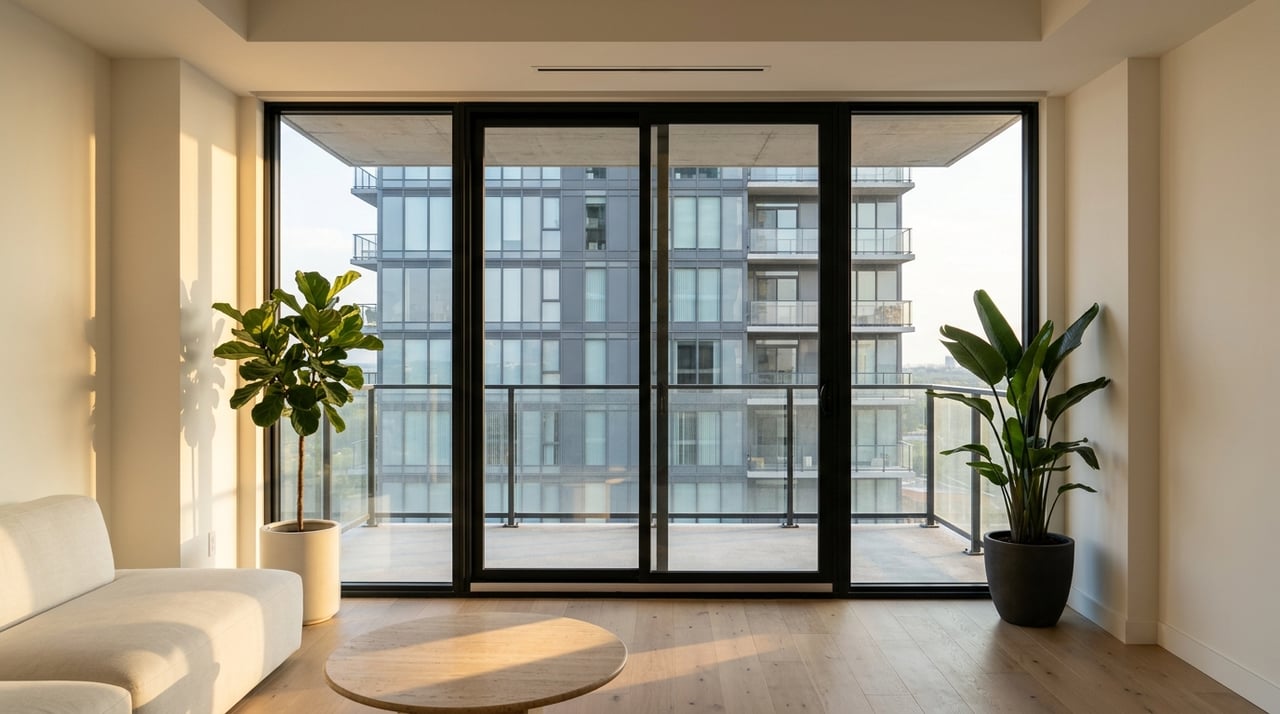
Buying a downtown San Diego high-rise can feel exciting and overwhelming at the same time. You may be drawn to the skyline, walkability, and lock-and-leave convenience, but a beautiful unit is only part of the decision. If you are thinking about a purchase in or around the downtown market, this guide will help you evaluate the building, the location, and the long-term ownership picture with more confidence. Let’s dive in.
Know the downtown setting first
A downtown high-rise purchase is not just about the unit or even the tower. The City of San Diego identifies downtown as eight distinct neighborhoods: Gaslamp, East Village, Columbia, Marina, Cortez, Little Italy, Horton Plaza, and Core. Each area can offer a different day-to-day experience, so your first step is to understand how the surrounding neighborhood fits your routine.
The city also describes downtown as the center of business, arts, and entertainment activity. That can be a major plus if you want close access to work, transit, recreation, and cultural destinations. It also means you should evaluate the urban environment with open eyes, especially if you value quiet, easy parking, or a more predictable streetscape.
Check future development risk
One of the biggest mistakes buyers make is assuming today’s view will stay the same. San Diego’s downtown development framework allows many projects to reach very high density and height, subject to FAA allowance, and many downtown condo subdivisions are processed ministerially. In practical terms, nearby construction can change light, views, and building massing over time.
Before you remove contingencies, review the surrounding development pipeline and recent permit activity. A stunning bay view today may not look the same in a few years if a nearby parcel is redeveloped. In a high-rise purchase, the broader skyline matters almost as much as the floor plan.
Review the HOA like part of the property
In California, when you buy a condominium, you automatically become a member of the homeowners association. That means the HOA is not a side issue. It is part of what you are buying.
For that reason, the HOA document package deserves close attention before your contingency deadline. You want to review the governing documents, rules, budget, reserve information, insurance summary, and any signs of pending assessments or major repairs. A lower list price can lose its appeal quickly if the building is underfunded or facing major work.
Focus on the annual budget report
The annual budget report is one of the most useful tools for comparing towers. Under California law, it must include a pro forma operating budget, reserve summary, reserve funding plan, statements about deferred repairs, possible special assessments, outstanding loans, and summaries of insurance policies.
This report can tell you a lot about how the building is run. You are looking for transparency, realistic planning, and signs that the board is addressing large expenses before they become urgent. If the numbers feel thin or unclear, that deserves a closer look.
Compare reserves, not just dues
Monthly HOA dues do not tell the full story. A tower with lower dues may seem more attractive at first, but if reserves are weak, you could face higher costs later through deferred maintenance, borrowing, or special assessments.
California law also places limits on regular assessment increases and generally requires member approval for certain larger increases or special assessments. That makes reserve planning even more important. A well-funded building often provides a more stable ownership experience than one that keeps dues artificially low.
Ask about reserve studies and inspections
High-rise buildings have expensive systems to maintain. Elevators, waterproofing, garage systems, exterior envelopes, and balconies can all require significant capital over time.
California requires a reserve-study visual inspection at least once every three years for qualifying associations, with annual board review of that study. The study must identify major components with less than 30 years of remaining useful life, estimate repair or replacement costs, and explain the funding plan. As a buyer, you want to know whether the association is keeping up.
California also requires inspections of exterior elevated elements such as balconies, decks, walkways, and railings in condominium projects. The first inspection cycle had to be completed by January 1, 2025, and repeats every nine years. Ask whether the inspection has been completed, whether any immediate safety issues were found, and whether needed repairs are already reflected in reserves.
Verify building condition through city records
In an older tower, building history matters. San Diego’s Development Services Department maintains records that can include permits, plans, maps, technical reports, and related project data.
These records can help you confirm whether major work has been done, such as waterproofing, garage repairs, remodels, elevator modernization, or other significant building updates. They can also provide a clearer picture of prior code-related issues or project history. If a seller mentions a major building improvement, city records can help you verify the timeline and scope.
Look closely at insurance details
Insurance deserves more than a quick glance. The annual budget report includes policy summaries, but California law makes clear that the summary is not a substitute for full policy terms and conditions.
If you are serious about a building, ask for the actual declarations pages and deductibles for major coverage where available. This is especially important for property, liability, earthquake, or flood coverage. Large deductibles or limited coverage can affect your risk in ways that are easy to miss if you only read the budget summary.
Consider seismic and emergency readiness
Southern California has the highest earthquake risk in the United States, with more than 300 faults capable of producing magnitude 6 or larger earthquakes, according to the U.S. Geological Survey. That does not automatically make any given tower a poor choice, but it does mean you should ask informed questions.
Focus on the building’s seismic design, any retrofit history, emergency preparedness, and whether the association has discussed earthquake-related reserve needs or insurance deductibles. In a high-rise, resilience is part of the value equation.
Confirm parking realities
Parking can be one of the biggest differences between downtown towers. It is also one of the easiest details to underestimate during a showing.
The City of San Diego’s Downtown Community Parking District manages public parking assets and supports parking supply management, wayfinding, bike infrastructure, traffic calming, walking and biking, and pedestrian safety improvements. In some nearby areas, residential permit restrictions may apply. For example, Area F, El Cortez/Downtown San Diego, has Monday through Saturday permit restrictions from 8 a.m. to 6 p.m.
When you compare properties, ask direct questions such as:
- Is parking deeded, assigned, leased, tandem, or wait-listed?
- How practical is guest parking?
- Are there restrictions on oversized vehicles or EV charging?
- If you rely on street parking for visitors, what are the real-world limits?
Test transit access against your routine
Transit is one of downtown San Diego’s strongest lifestyle advantages, but it only adds value if it actually works for you. MTS states that trolley service connects downtown with East County, UC San Diego, South Bay, and the Mexico border, with Santa Fe Depot and America Plaza serving as primary transportation hubs to downtown.
That sounds great on paper, but your daily experience matters more. Walk the route from the building to the station, think about your work or travel schedule, and decide whether transit access would truly replace some car trips.
Visit at different times for noise
Noise is highly unit-specific. A tower can feel calm during a mid-morning tour and sound very different at rush hour or after dark.
The City of San Diego notes that reduced noise levels are generally expected between 10 p.m. and 7 a.m. in residential zones. At the same time, San Diego International Airport maintains noise monitoring, operates under a departure curfew from 11:30 p.m. to 6:30 a.m., and allows arrivals 24 hours a day. Between nightlife, traffic, events, and airport activity, downtown noise conditions can vary a lot.
The smartest move is simple. Visit the property at midday, during commute hours, and again in the evening. If possible, step onto the balcony, open the windows, and spend enough time in the unit to get a realistic sense of sound levels.
Think about event traffic too
Downtown traffic patterns can change sharply on event days. Petco Park sits in the heart of downtown San Diego and hosts baseball games, concerts, and special events.
If your building is near common game-day circulation routes, curb access, rideshare timing, and parking conditions may feel different than they do on a typical weekday. Even if you enjoy the energy of downtown, it is worth checking how often events affect your block and your building access.
Match rental rules to your plans
If you plan to use the unit as a second home or occasional rental, do not assume city rules and HOA rules line up. San Diego requires a short-term residential occupancy license for stays under one month, and operating without a license is unlawful. The city also states that ADUs cannot be used for short-term residential occupancy.
Just as important, HOA rules can be stricter than city rules. A building may prohibit or tightly limit rentals even if municipal regulations allow them. If rental flexibility matters to you, confirm both levels of rules before you move forward.
Watch for district and special assessments
Some downtown parcels may fall within the Downtown Property and Business Improvement District. This district funds supplemental maintenance, beautification, safety, and hospitality services on assessed parcels.
That may support the surrounding area, but you should still ask whether any special assessments or pass-through costs appear on the tax bill or HOA budget. Small recurring costs can add up, especially in a high-rise ownership model with multiple layers of shared expense.
Use a simple comparison checklist
When you compare downtown high-rises, the best choice is usually not the one with the lowest dues or the most dramatic temporary view. In many cases, the stronger buy is the building with better planning, clearer ownership rights, and fewer surprises ahead.
A practical checklist includes:
- A well-funded reserve plan
- A current reserve study and annual review
- Completed exterior elevated element inspections, with repairs addressed if needed
- Clear insurance information and deductible details
- Verified parking rights and workable guest parking
- Realistic nighttime noise conditions
- Awareness of nearby development that could affect views or light
- Rental rules that match your intended use
A careful review can protect your lifestyle and budget
A downtown San Diego high-rise can be an excellent fit if you value walkability, convenience, and an urban lifestyle. The key is to evaluate the ownership package as carefully as the unit itself.
When you look beyond finishes and views, you can make a decision based on reserves, inspections, parking, insurance, development risk, and everyday livability. That is the kind of careful review that helps you buy with more clarity and fewer surprises. If you want local guidance on evaluating San Diego condos with a polished, high-touch approach, connect with Monroe Herington.
FAQs
What should you review in a downtown San Diego condo HOA?
- Review the governing documents, rules, annual budget report, reserve funding plan, insurance summary, and any signs of deferred repairs, loans, or pending assessments before removing contingencies.
Why do reserves matter when buying a San Diego high-rise?
- Reserve strength helps show whether the building is planning for major expenses like elevators, waterproofing, garage systems, exterior work, and balconies, which can reduce the risk of unexpected costs later.
How can you check future development near a downtown San Diego tower?
- Review the surrounding development pipeline and city permit activity so you can better understand whether future projects may affect your unit’s views, light, or privacy.
What parking questions should you ask before buying a downtown San Diego condo?
- Confirm whether parking is deeded, assigned, leased, tandem, or wait-listed, and ask how guest parking works in practice.
How should you evaluate noise in a downtown San Diego condo unit?
- Visit the property at multiple times of day, including midday, rush hour, and evening, to test how traffic, nightlife, airport activity, and event traffic affect the unit.
Can you use a downtown San Diego condo as a short-term rental?
- You need to verify both city licensing rules for stays under one month and the building’s HOA rental policy, since the HOA may be more restrictive than the city.