Wondering whether to remodel before you sell in Del Mar? It is a smart question, especially when homes are trading in the mid-$4 million range and buyers still pay close attention to condition, presentation, and price. If you are trying to protect your time, privacy, and net proceeds, the right answer is usually not “do everything.” In Del Mar, the better strategy is often a focused refresh, a clear pricing plan, and polished marketing. Let’s dive in.
Why this decision matters in Del Mar
Del Mar remains a premium coastal market, but premium does not mean automatic. Redfin’s April 2026 snapshot shows a median sale price of $4.35 million and a median 47 days on market over the prior three months. Realtor.com’s March 2026 data shows a median sale price of $4.18 million, 71 active listings, a median 48 days on market, and homes selling for 97% of asking price on average.
That matters for sellers because it points to a market where buyers are still negotiating. Even at the luxury level, presentation and pricing can influence how quickly your home sells and how much leverage you keep. In other words, buyers may pay for quality, but they still notice deferred maintenance, dated finishes, and homes that feel like too much work.
Del Mar buyers still scrutinize condition
Buyer expectations have shifted in a practical way. According to NAR’s 2025 Remodeling Impact Report, 46% of buyers are less willing to compromise on a home’s condition than they were a few years ago. That does not mean every buyer expects a brand-new designer remodel, but it does mean visible issues can carry more weight.
Condition also matters because buyers often begin forming opinions long before they walk through the front door. NAR’s 2025 staging survey found that 83% of buyers’ agents said staging made it easier for buyers to imagine the home as their future home, and photos, video, and virtual tours were rated as highly important. For a Del Mar luxury listing, that is especially relevant because many buyers first experience the property through digital marketing.
Remodel or sell as-is: Start with the real goal
Before you decide on any work, define what you actually want from the sale. Some sellers want to maximize top-line price, even if preparation takes longer. Others want to reduce disruption, protect privacy, or avoid permit risk and simply bring the home to market in a clean, compelling way.
Once you know the goal, the decision gets clearer. In many Del Mar sales, the best path is not a full remodel or a strict as-is approach. It is a middle ground: fix what buyers will notice, improve how the home shows, and avoid projects that add complexity without a clear return.
The strongest pre-sale updates are often small
If you are considering improvements, the research points to small, visible updates as the safest place to start. NAR’s 2025 Remodeling Impact Report found that some of the highest cost-recovery projects were items like a new steel front door, a closet renovation, and a new fiberglass front door. Realtors also most often recommended painting the entire home, painting one room, and replacing the roof before listing.
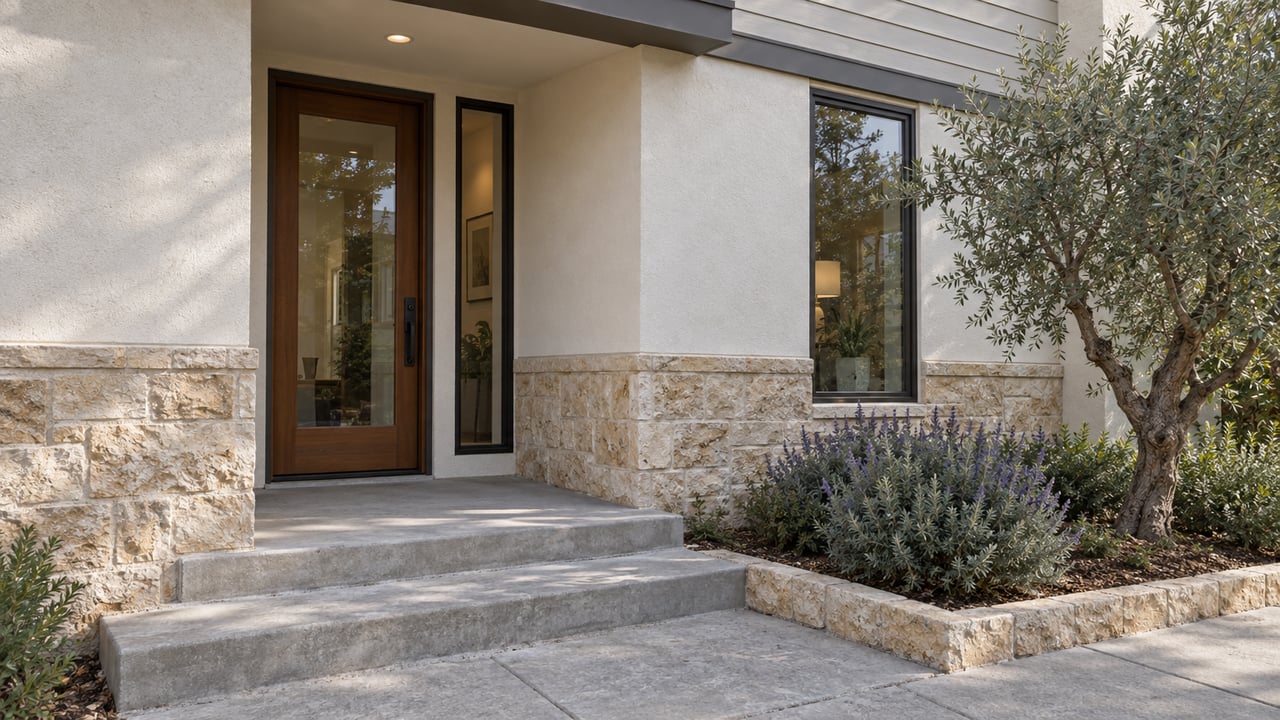
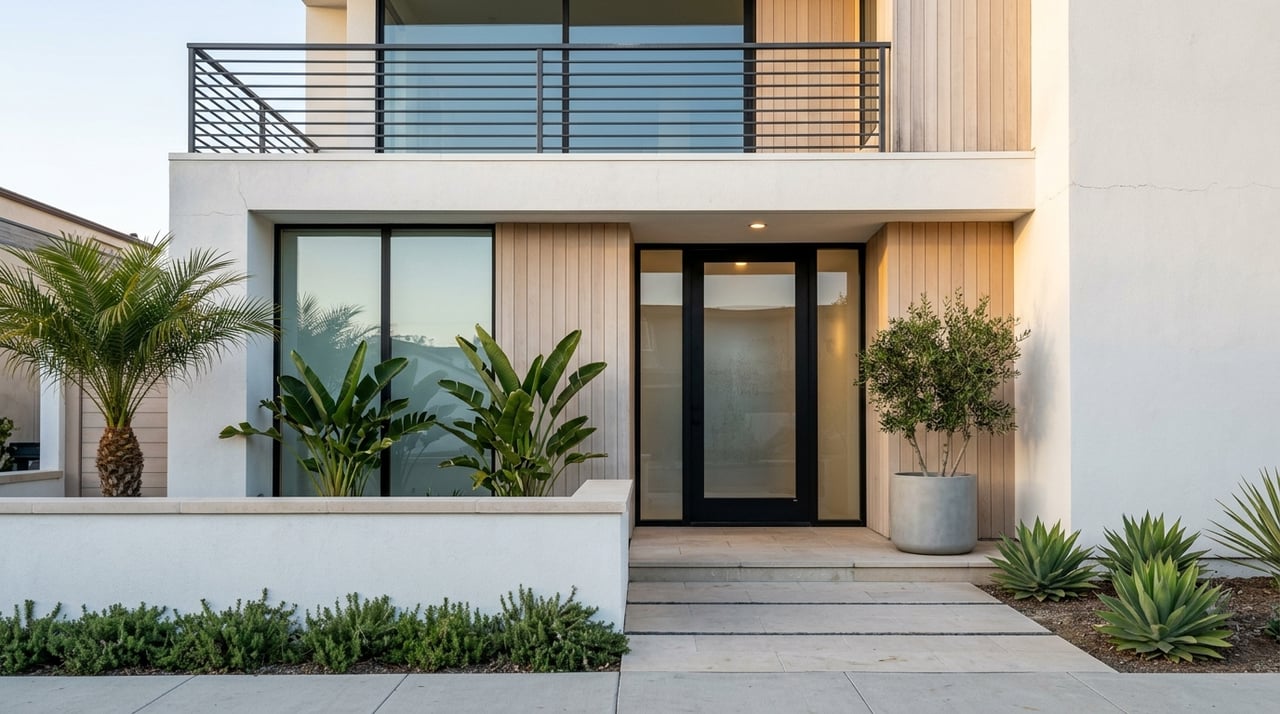
In practical terms, that usually supports a limited refresh rather than a highly customized renovation. Think paint, updated lighting, hardware, deep cleaning, landscaping, visible maintenance, and decluttering. These are the kinds of changes that help your home photograph well, show cleanly, and feel easier for buyers to accept.
NAR’s 2025 staging research supports that approach. It found that 91% of sellers’ agents recommend decluttering, 88% recommend cleaning the entire home, and 77% recommend improving curb appeal. Nearly half of sellers’ agents also observed that staging reduced time on market.
When a bigger remodel may not pay off
A major remodel can look attractive on paper, especially if your home has older kitchens, baths, or exterior features. But in Del Mar, the timeline and approval path can change the math quickly. A project that seems straightforward can become much slower once permit review, planning review, and coastal requirements enter the picture.
That is why a bigger remodel should be judged by three numbers:
- The expected cost of the work
- The likely increase in sale price
- The time the project adds before you can list
If the increase in value does not clearly outweigh the cost, delay, and added risk, a remodel may not improve your net proceeds. In a market where median sale prices are already above $4 million, the absolute dollars are large, but buyers may not fully reimburse highly personalized design choices.
Del Mar permit and coastal review can slow projects
This is where Del Mar becomes very different from a simple national remodel calculation. The City of Del Mar states that planning review happens before building permits are issued. Its eTRAKiT system categorizes additions, remodels, deck and patio work, garage conversions, fences, retaining walls, and stucco under residential alteration review.
That means even moderate work may involve more process than sellers expect. The city also notes that staff assist homeowners, architects, and engineers through permitting, which is helpful, but it does not eliminate the time needed for review and approvals.
There is another key local factor. Del Mar’s planning documents state that all properties in the city are in the Coastal Zone, and Coastal Development Permit applications are governed by the city’s certified Local Coastal Program. For sellers, that means exterior changes, site work, and additions may require more than a basic building permit.
Fire and hazard rules can affect remodel plans
Del Mar sellers also need to think about hazard-related requirements that can be triggered by remodels or additions. The city’s 2025 Safety Element draft says about 81% of parcels fall within one of the Fire Hazard Severity Zones. It also states that remodels or additions in those zones must meet fire-code measures such as ember-resistant vents, Class A roof coverings, tempered glazing, landscape plans, and defensible space requirements.
The city’s sea-level-rise planning adds another layer of local context. Del Mar treats coastal hazards, erosion, flooding, storm surge, and bluff-related issues as active policy concerns through its Local Coastal Program work. For a seller, the takeaway is simple: exterior or structural work can involve more review, more coordination, and more time than expected.
What “sell as-is” really means in California
Some sellers hear “as-is” and assume it is the easiest path. In California, that phrase has limits. California Civil Code 1102 applies to single-family residential sales, and the Legislature states that the transfer disclosure statement may not be waived in an as-is sale.
Put simply, selling as-is does not mean skipping disclosures. Sellers and agents still must disclose facts that materially affect value or desirability, including physical conditions. So if your home has known issues, as-is pricing may be appropriate, but disclosure still matters.
If you do renovate, keep records carefully
If you complete work before listing, documentation becomes important. California law requires certain sellers of recently acquired single-family homes to disclose contractor-performed additions, structural modifications, other alterations, or repairs, and to provide permit copies when available.
In Del Mar, that matters even more because permit review can be involved for relatively modest projects. If you move forward with improvements, organized records can help reduce buyer questions and keep the transaction smoother.
Wildfire-related disclosures may apply
Fire-hazard disclosures are another local consideration. California Civil Code 1102.6f requires added wildfire-related disclosure for homes in high or very high fire hazard severity zones built before January 1, 2010. Starting July 1, 2025, the notice must identify certain low-cost retrofit items.
For homes in those zones, the law also requires documentation that the property complies with Section 4291 or local vegetation-management ordinances. Del Mar’s safety element states that the city conducts annual inspections and requires 100-foot defensible space in the Very High Fire Hazard Severity Zone and Wildland-Urban Interface.
A practical Del Mar seller strategy
For many luxury sellers in Del Mar, the most effective plan looks like a presentation-first strategy rather than a full-scale remodel. That means addressing obvious repairs, improving cleanliness and curb appeal, and making the home look polished in photography, video, and private showings. This approach aligns well with how buyers search today and with the kinds of upgrades most consistently recommended in the research.
A smart pre-listing plan often includes:
- Completing obvious repairs
- Repainting tired or overly personalized rooms
- Deep cleaning inside and out
- Decluttering and simplifying each space
- Refreshing landscaping and entry presentation
- Updating small visible details like lighting or hardware
- Using professional photography, video walkthroughs, and virtual tours
This type of preparation can improve first impressions without pulling you into a long construction schedule. It also supports a cleaner pricing strategy because buyers see a home that feels cared for, even if every finish is not brand new.
When selling as-is makes the most sense
Selling as-is can be the right move when the home needs substantial work, the ownership timeline is tight, or the likely remodel path could trigger costly delay. It can also make sense when updates would be highly customized and unlikely to appeal broadly enough to justify the investment.
If you choose that route, success depends on two things. First, price the property with clear eyes. Second, present it as strongly as possible so buyers focus on the home’s location, lot, views, scale, and potential instead of only the work ahead.
The best question is net, not price
Luxury sellers sometimes focus too heavily on the highest possible sale price. A better question is which path gives you the strongest net result after costs, carrying time, approvals, and transaction friction. A remodel that raises the final price may still leave you behind if it adds months of delay or triggers expensive requirements.
That is why local strategy matters. In Del Mar, your decision should reflect not only buyer expectations but also the city’s permitting structure, coastal review environment, and disclosure rules. The right plan is the one that improves your outcome, not the one that simply adds work.
If you are weighing whether to remodel or sell as-is in Del Mar, the strongest next step is a property-specific review. A thoughtful listing plan can help you decide what to fix, what to leave alone, how to position the home, and how to market it with the level of polish luxury buyers expect. For a tailored strategy built around your goals, connect with Monroe Herington.
FAQs
Should you remodel before selling a luxury home in Del Mar?
- Often, a limited refresh makes more sense than a full remodel because small visible updates, staging, and presentation may improve buyer response without adding major delay.
What does as-is mean for a Del Mar home sale?
- In California, as-is does not remove disclosure duties. You still need to provide required disclosures, including known material facts that affect value or desirability.
Why can Del Mar remodels take longer than expected?
- Del Mar requires planning review before building permits, all properties are in the Coastal Zone, and some exterior or structural work may need additional review under the Local Coastal Program.
What pre-sale updates are usually worth doing in Del Mar?
- Paint, deep cleaning, decluttering, landscaping, visible maintenance, and small cosmetic improvements are often the lowest-risk updates before listing.
Do wildfire disclosures matter when selling a home in Del Mar?
- Yes. For some homes in high or very high fire hazard severity zones, California law requires added wildfire-related disclosures and documentation tied to vegetation management or defensible space compliance.
How should you decide between remodeling and pricing the home as-is in Del Mar?
- Compare the cost of work, the likely lift in sale price, and the time added before listing. If the remodel does not clearly improve net proceeds, a pricing-first, presentation-heavy strategy may be the better choice.