Selling a historic home in Mission Hills is not the same as selling a recently updated property down the street. Buyers are often drawn to the architecture, craftsmanship, and story of the home, but they also want clarity about permits, condition, and what future changes may require. If you prepare thoughtfully, you can reduce surprises, protect the home’s character, and present it with confidence. Let’s dive in.
Understand Historic Status First
Before you make repairs or plan your listing strategy, confirm how the property fits into San Diego’s historic framework. In Mission Hills, that matters because the area includes many early 20th century homes, and the neighborhood has long been part of the city’s historic-building record.
A Mission Hills home may be individually designated, located within an adopted historic district, or simply be old enough to trigger review in certain situations. According to City of San Diego guidance, a structure that is 45 years old or older may require historical review before a construction permit is issued.
That distinction can shape how buyers view the property and how future improvements may be handled. If the home is a designated resource or sits within an adopted historic district, San Diego reviews modifications under its designated-resource process.
Gather Your Records Early
One of the best ways to prepare a Mission Hills historic home for sale is to organize documentation before the listing goes live. Older homes naturally invite more buyer questions, and complete records help you answer them clearly.
Start by collecting:
- Permit records
- Prior plans or architectural drawings
- Contractor invoices
- Historic approvals
- Repair receipts and maintenance notes
- Any inspection reports you already have
San Diego notes that Historical Resources staff can advise by appointment before work begins, and review of designated historic resources happens alongside permit processing. For sellers, that makes paperwork especially valuable when buyers ask whether past work was permitted and whether it appears consistent with current review standards.
If your home has a Mills Act contract, include that in the listing file as well. The City describes the Mills Act as a 10-year contract that can provide a property tax reduction in exchange for preservation-focused maintenance and restoration.
Choose Repairs With Care
When preparing a historic home to sell, more renovation is not always better. In Mission Hills, broad modernization can sometimes work against the property’s appeal, especially if it removes original details that help define the home.
A better approach is usually a focused, evidence-based refresh. Fix what is failing, maintain what is sound, and avoid replacing features that still contribute to the home’s architectural character.
The Secretary of the Interior’s Standards for Rehabilitation emphasize preserving distinctive features, finishes, and craftsmanship. They also favor repairing deteriorated historic features rather than replacing them whenever possible.
If replacement is necessary, the new work should match the old in design, color, texture, and, where possible, materials. That principle matters when you evaluate windows, trim, doors, built-ins, flooring details, or decorative elements that buyers may see as part of the home’s value.
Be Thoughtful With Paint and Surface Work
Many Mission Hills homes were built before 1978, which means lead-based paint may be a concern during prep work. If you are planning touch-ups, window work, sanding, or other repairs that could disturb painted surfaces, this deserves attention before contractors begin.
EPA guidance states that many homes built before 1978 contain lead-based paint, and contractors who disturb it must use lead-safe work practices. That is important for safety, but it also helps support a smoother sale by showing buyers that work was approached responsibly.
This is another reason to avoid rushed cosmetic projects. A measured repair plan is often the smarter move than a last-minute overhaul.
Stage the Architecture, Not Over It
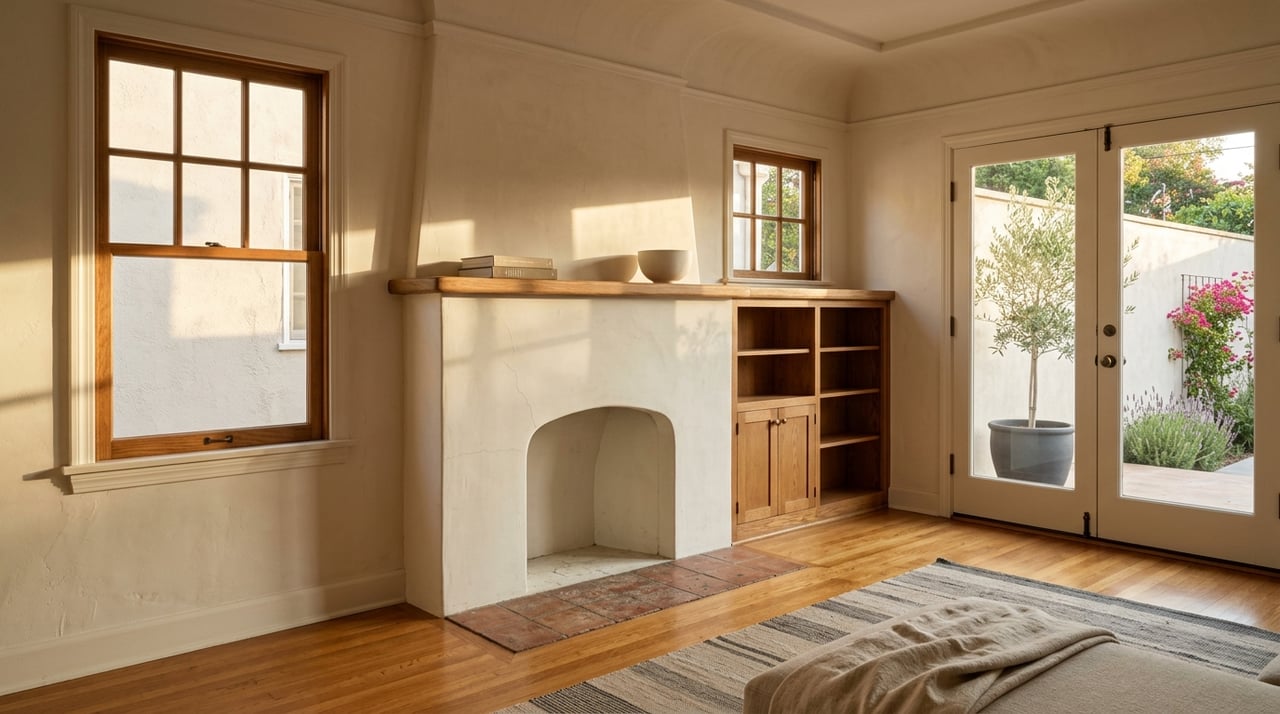
Historic staging works best when it helps buyers see the home itself. In a Mission Hills property, that may mean drawing attention to room proportions, windows, trim, fireplaces, porches, built-ins, and other original details that give the house its identity.
Light, neutral staging is often the right fit because it improves sightlines without competing with the architecture. The goal is not to create a themed look or rewrite the home’s past. It is to let the craftsmanship and layout speak clearly.
This approach also aligns with preservation logic. The rehabilitation standards caution against changes or additions that create a false sense of historic development, which supports a presentation style that feels clean, honest, and restrained.
Use Precise Marketing Language
Historic homes benefit from careful wording in marketing remarks and property materials. Buyers of older homes tend to pay close attention to words like original, restored, repaired, and replaced.
That means accuracy matters. If a feature has been repaired, say repaired. If something was replaced, say replaced. If you describe a feature as restored, the work record should support that description.
The rehabilitation standards note that replacement and restoration claims should be backed by documentary, physical, or pictorial evidence. For sellers, the practical takeaway is simple: avoid inflated language and stick to what you can document.
Prepare for Buyer Due Diligence
Most buyers shopping for a historic Mission Hills home will ask two kinds of questions. First, they will want to understand the home’s historic status and any review considerations. Second, they will want a practical picture of the home’s condition.
Common buyer questions include:
- Is the home historically designated?
- Is it located in an adopted historic district?
- Were prior remodels permitted?
- Are there records for major repairs or upgrades?
- What systems may need near-term attention?
- Could future alterations be subject to City review?
On the condition side, California’s Department of Real Estate points buyers toward core due diligence items such as electrical, plumbing, structural integrity, roof condition, and pest issues. Having recent reports, invoices, and repair notes ready before showings begin can make these conversations easier.
Get Ahead of Disclosures
Good prep includes disclosure prep. California’s Transfer Disclosure Statement is intended to describe the property’s condition, is not a warranty, and must be delivered before transfer of title.
California also notes that reports from engineers, contractors, or structural pest control operators can help satisfy disclosure duties when they address matters within the expert’s scope. For a seller, that can make pre-listing reports especially useful in an older home where buyers expect more detail.
If the home was built before 1978, lead disclosure is a separate requirement. EPA states that sellers of most pre-1978 housing must disclose known lead-based paint information before the buyer is obligated under contract, provide the EPA/HUD lead pamphlet, and give buyers a 10-day opportunity for a lead inspection or risk assessment unless the parties agree otherwise.
Explain Future Review Clearly
For some buyers, the biggest concern is not the home’s current condition. It is what they may or may not be able to do with the property later.
If the home is designated or located in an adopted historic district, San Diego says future modifications and additions may be evaluated for consistency with the Secretary of the Interior’s Standards. In some cases, proposals that are inconsistent may be directed into discretionary review.
This does not mean a buyer should avoid the property. It means you should be ready to explain the framework clearly and provide the supporting records you have. Buyers tend to feel more comfortable when they understand the rules upfront rather than discovering them mid-escrow.
Build a Smart Pre-Listing Plan
If you want to reduce friction and present the home well, keep your prep plan focused and disciplined. Historic homes usually perform best when the strategy respects both architecture and documentation.
A strong Mission Hills pre-listing checklist includes:
- Verify whether the home is designated, in a historic district, or likely subject to age-related review
- Collect permits, plans, invoices, and historic approvals
- Identify essential repairs instead of over-renovating
- Use lead-safe practices if pre-1978 painted surfaces may be disturbed
- Stage to highlight original character and room flow
- Prepare accurate descriptions of original, repaired, restored, and replaced features
- Organize inspection reports, pest information, and repair records for buyer review
- Include Mills Act paperwork if applicable
Why This Approach Works
Mission Hills buyers are often looking for more than square footage or a fresh finish palette. They are buying architecture, setting, and long-term value, and they want confidence that the home has been cared for with intention.
When you verify status, document work, repair thoughtfully, and market the property with precision, you create that confidence. You also position the home in a way that feels aligned with both San Diego preservation rules and California disclosure expectations.
If you are preparing a Mission Hills historic home for sale and want a polished, high-touch strategy built around presentation, buyer clarity, and local market insight, Monroe Herington can help you bring the property to market with care.
FAQs
What should you do first before selling a historic home in Mission Hills?
- Start by confirming whether the home is individually designated, located in an adopted historic district, or old enough to trigger historical review when permits are involved.
Why do permit records matter when selling a Mission Hills historic home?
- Permit records, plans, invoices, and prior approvals help answer buyer questions about past work and can reduce uncertainty during due diligence.
Should you fully renovate a historic home before listing it in Mission Hills?
- Usually, a focused repair plan is safer than a broad modernization effort, especially when original features still contribute to the home’s character and value.
What repairs require extra care in an older Mission Hills home?
- Paint, window work, sanding, and other projects that may disturb pre-1978 painted surfaces deserve added care because lead-safe work practices may apply.
How should you stage a Mission Hills historic home for sale?
- Use light, neutral staging that highlights architecture such as trim, built-ins, fireplaces, windows, porch details, and room proportions instead of distracting from them.
What disclosures are especially important for an older home in Mission Hills?
- Sellers should be ready to address the property’s condition through the Transfer Disclosure Statement and handle lead-based paint disclosure requirements if the home was built before 1978.
What future restrictions might buyers ask about for a Mission Hills historic home?
- Buyers often want to know whether future additions or alterations could be reviewed by the City if the home is designated or located within an adopted historic district.