Do you dream of open-ocean sunsets or calm mornings on a private dock? In Coronado, both sides of the island offer a rare kind of waterfront living, yet the day-to-day experience can feel very different. If you’re early in your search, it helps to compare lifestyle, upkeep, permitting, and long-term risk before you fall in love with a view. This guide breaks down what changes when you choose oceanfront or bayfront in Coronado and gives you a practical checklist to make a confident decision. Let’s dive in.
Oceanfront living at a glance
Oceanfront in Coronado places you beside the Pacific. You’ll enjoy wide sandy beaches, surf culture, and westward views that light up at sunset. Central Beach near the Hotel del Coronado and the Silver Strand are classic oceanfront stretches.
- Lifestyle: surfing, bodyboarding, beach volleyball, and long coastal walks.
- Sights and sounds: steady surf, sea breezes, and more beach foot traffic.
- Conditions: stronger waves and rip currents in places; lifeguarded areas are common along popular stretches.
- Access: driving to downtown San Diego usually takes longer than from the bay side.
Bayfront living at a glance
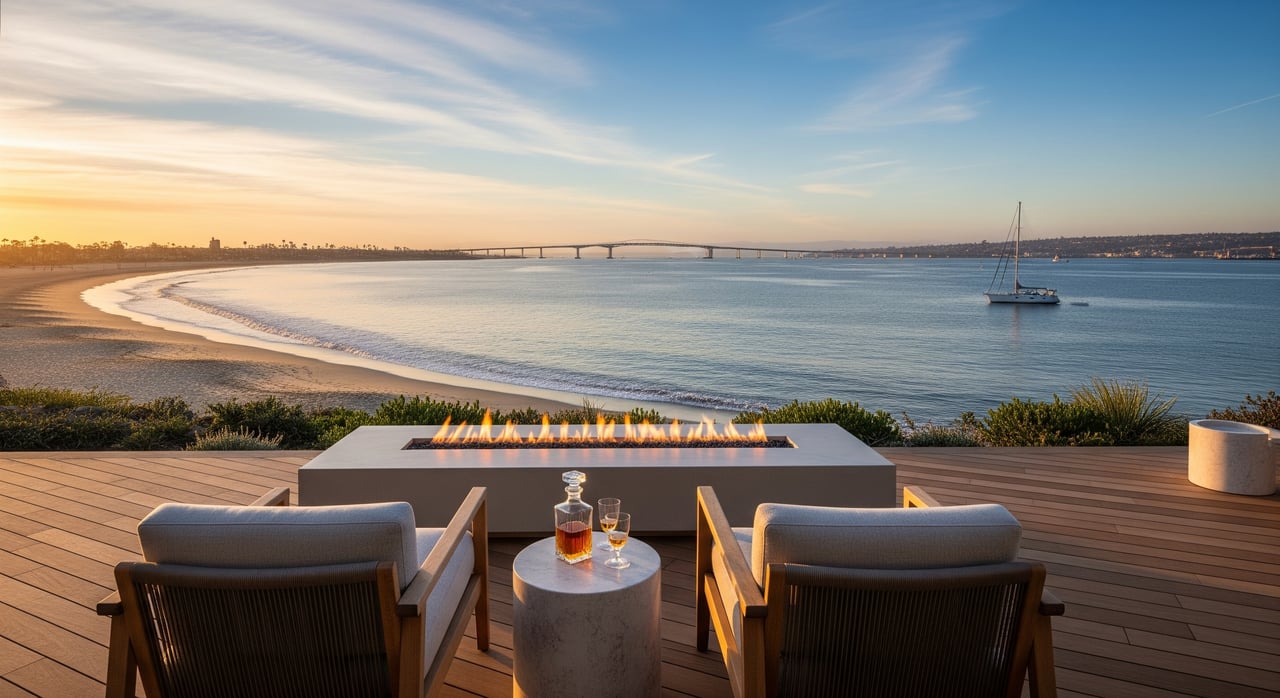
Bayfront living faces the sheltered waters of San Diego Bay. You’ll trade open surf for calmer water, marina life, and views toward downtown and the Coronado Bridge. Neighborhoods like the Coronado Cays and areas around Glorietta Bay lean into boating.
- Lifestyle: kayaking, paddleboarding, dinghy launching, and easy boat access.
- Sights and sounds: marinas, sailboats, ferries, and gentle bay activity.
- Conditions: generally calmer, shallower water in many spots.
- Access: the Ferry Landing offers direct pedestrian and ferry access to downtown San Diego.
Daily life differences
Choosing between the two often comes down to how you like to spend time outside and what sounds you prefer.
- Water feel: oceanfront has surf and stronger currents; bayfront is typically smoother for small craft.
- Sound profile: oceanfront features the constant rush of waves; bayfront may include marina operations, boat engines, and occasional ferry horns near Ferry Landing.
- Beach vs dock: oceanfront favors beach days; bayfront favors boating, docks, and marinas.
Property types and HOAs
You’ll find different property patterns on each shoreline.
- Oceanfront: single-family homes along Ocean Boulevard and the Silver Strand, ocean-view condos and mid-to-hi-rise buildings, and historic cottages near the Hotel del Coronado corridor.
- Bayfront: single-family homes with private docks in the Coronado Cays, townhomes and condos along Glorietta Bay and Ferry Landing, and homes adjacent to marinas or tidal parks.
HOAs are common on the bay side, especially where docks and shared seawalls need coordinated care. HOAs may set rules for boat size, dock use, exterior standards, and community amenities. On the ocean side, condos and some communities have associations that manage common areas, beach access corridors, and parking. Single-family oceanfront homes may have no HOA but still follow city coastal rules.
Tip: always request HOA CC&Rs, meeting minutes, and reserve studies during due diligence to understand fees, maintenance plans, and any upcoming assessments.
Permits and rules you should know
Waterfront improvements often involve more than a simple building permit. In Coronado, larger projects and work near the water can involve multiple agencies.
- City of Coronado: local zoning, building, and coastal development review. See the city’s site for planning and building resources at the City of Coronado.
- California Coastal Commission: policy and coastal permitting for significant shoreline development. Review guidance at the California Coastal Commission.
- Port of San Diego: jurisdiction over some tidelands, marinas, and in-water work on the bay side. Learn about port permitting at the Port of San Diego.
What this means for you:
- Docks, bulkheads, and seawalls: permits are commonly required. Confirm who owns and maintains these structures and whether permits are current.
- Beach access and easements: California’s Coastal Act preserves public shoreline access. Many oceanfront areas are public even when homes back onto them. Ask your agent to verify recorded easements and access corridors.
- Renovations and new builds: coastal rules can add design, elevation, and resilience requirements. Allow extra time for review when projects touch the shoreline.
Maintenance and exposure
Salt air, wind, and moisture are part of waterfront life in Coronado. Oceanfront tends to be windier with more salt spray. Bayfront is more sheltered but still sees corrosion and moisture effects.
Plan for:
- Exterior finishes: more frequent paint and sealant cycles.
- Materials: stainless or marine-grade hardware, corrosion-resistant fixtures, and protected HVAC locations.
- Wood and decking: vigilant inspection for rot and regular maintenance.
- Shoreline structures: bulkhead or dock upkeep on the bay; monitoring sand levels and any protective features on the ocean side.
Flooding, storms, and sea-level rise
Both shorelines have flood exposure, but risks appear differently.
- Oceanfront: wave run-up and coastal storm surge are the main concerns during major storms.
- Bayfront: higher tides and chronic inundation in some low-lying areas become more likely as mean sea level rises.
Before you get too far with a property, check official resources:
- FEMA Flood Map Service Center for flood zones and elevation details. Start with the FEMA Flood Map Service Center.
- NOAA’s Sea Level Rise Viewer for scenario planning and local visuals. Explore the NOAA Sea Level Rise Viewer.
Local municipalities, including Coronado, continue to plan for coastal resilience and adaptation. Reviewing city planning materials can provide helpful context on future shoreline strategies at the City of Coronado and statewide policy direction via the California Coastal Commission.
Insurance and financing
Waterfront homes often carry higher homeowner insurance premiums due to wind, flood, and storm exposure. Standard homeowner policies typically do not include flood coverage.
- Flood insurance: if a property sits in a Special Flood Hazard Area, your lender may require a policy through the National Flood Insurance Program or a private insurer.
- Elevation and history: a property’s elevation, flood zone, and prior loss history can influence insurance cost and availability.
- Lending impacts: higher risk can affect underwriting and loan terms. Ask your lender for an early flood zone determination and discuss any elevation certificate on file.
Cost and market signals
Pricing varies by lot, improvements, views, and community structure. In general:
- Oceanfront: typically commands a premium for direct beach access and unobstructed ocean views.
- Bayfront: homes with private docks or prime marina access can also carry a premium, especially for buyers who prioritize boating and quick water access.
Resale considerations differ too. Oceanfront tends to pull beach-focused buyers and second-home demand. Bayfront often attracts boaters and those who prefer calmer water and marina amenities.
How to decide quickly
Use these questions to clarify your priorities before touring.
- Lifestyle: do you want surf days and long beach walks, or boating and paddle sessions steps from home?
- Access: is the Ferry Landing and quick access to downtown San Diego a must-have?
- Sound: will surf roar relax you, or would boat traffic be more your speed?
- Maintenance: are you comfortable with more frequent exterior upkeep and potential seawall or dock responsibilities?
- Insurance: what flood zone is the property in, and how will that affect cost and lender requirements?
- Privacy: how close is public access to your lot line or dock?
Documents to request early
Ask for these items as soon as you’re serious about a property. They can save time and reveal deal-breakers.
- HOA documents: CC&Rs, bylaws, meeting minutes, and reserve studies (if applicable).
- Recorded easements: beach access and dock rights.
- Permits: docks, seawalls, bulkheads, and any shoreline modifications. Confirm who is responsible for maintenance.
- Surveys and drawings: recent property survey and as-built plans for water features.
- Flood data: FEMA flood zone determination and any elevation certificate.
- Insurance history: loss runs for the property, if available.
Neighborhood snapshots
- Ocean side highlights: Central Beach by the Hotel del Coronado offers classic beach life with broad sand and surf. The Silver Strand stretches south with long, scenic shoreline.
- Bay side highlights: Glorietta Bay provides scenic views of sailboats and the bridge. The Coronado Cays is designed for boat access, with many homes featuring private docks and proximity to marinas.
Who should choose which side?
- Choose oceanfront if you value daily beach walks, surfing, and uninterrupted ocean horizons. You accept more wind, salt spray, and public beach activity nearby.
- Choose bayfront if you want calmer water, dock or marina access, and views of city lights and harbor life. You accept boat traffic and potential dock or bulkhead maintenance.
The permitting path in practice
If your plans include a new dock, a seawall repair, or a significant shoreline remodel, expect a multi-agency conversation.
- Start with the City of Coronado for local zoning and building steps at the City of Coronado.
- If your project touches tidelands or marinas, contact the Port of San Diego.
- For substantial coastal development or changes to shoreline protection, consult the California Coastal Commission.
Early coordination helps you scope timeline and feasibility. Request prior permits and engineering reports from the seller, and include coastal specialists as needed.
Bottom line
In Coronado, there’s no wrong shoreline, only the right fit for how you live. Oceanfront brings surf, sunsets, and a lively beach scene. Bayfront brings boats, calmer water, and downtown views. With clear priorities, a plan for maintenance, and a smart look at flood and permitting, you can move forward with confidence.
Ready to compare properties, tour by video, or review HOA and dock files before you fly in? Connect with Monroe Herington for boutique, coastal-focused guidance backed by a proven track record along San Diego’s ocean and bay.
FAQs
What are the main lifestyle differences in Coronado waterfronts?
- Oceanfront centers on beach and surf activity with open-ocean views, while bayfront emphasizes boating, calmer water, and views of downtown and harbor life.
How do permits work for docks or seawalls in Coronado?
- Expect City of Coronado permits and, depending on location, review by the Port of San Diego and the California Coastal Commission for significant shoreline work.
Are flood insurance needs different for ocean vs bay in Coronado?
- Both can face flood risk, but oceanfront risk is tied to wave action and surge while bayfront risk relates to higher tides and inundation. Check the FEMA Flood Map Service Center and discuss coverage with your insurer.
Where in Coronado are private docks more common?
- The Coronado Cays and selected bayfront parcels often include private docks or close marina access, supported by HOAs that manage waterfront infrastructure.
Will public beach access affect privacy on oceanfront homes?
- Many oceanfront beaches are public, and some lots are near access points. Verify recorded easements and local access corridors during due diligence.
How can I evaluate sea-level rise for a specific property?
- Pair FEMA flood data with the NOAA Sea Level Rise Viewer and review local coastal planning materials from the City of Coronado and the California Coastal Commission.